
In a world where digital payments reign supreme, checks might seem like a relic from the past. But what if you’ve still got a stack of those old checks with your previous address? Can you still use them? Spoiler alert: the answer isn’t as straightforward as a simple “yes” or “no.”
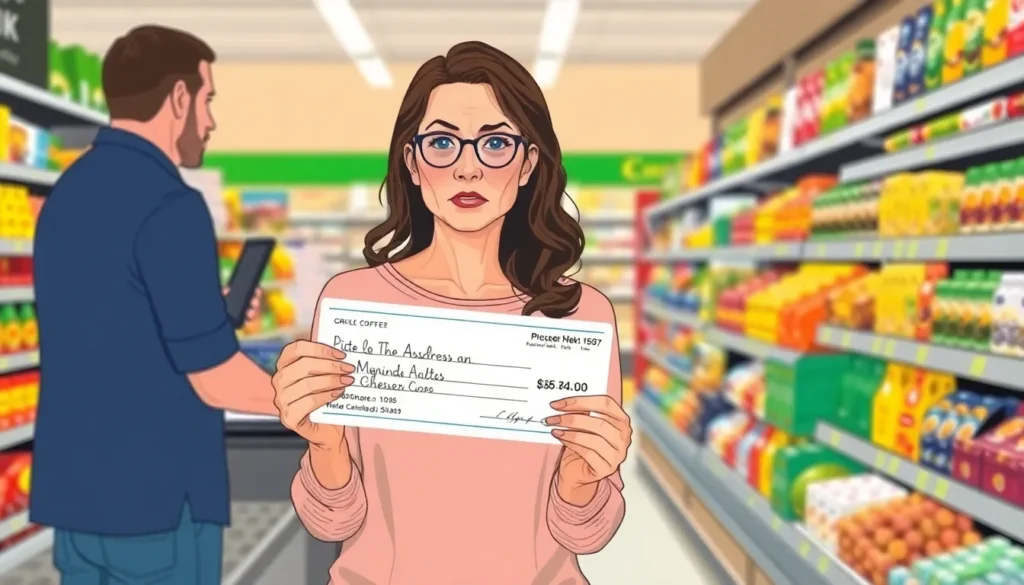
Picture this: you’re at the grocery store, about to pay for your organic kale and artisanal avocado toast, when you suddenly realize your checks are sporting an address from your college days. Do you panic and throw them away, or can you confidently sign your name and hope for the best? Let’s dive into the quirky world of checks, addresses, and what it means for your wallet. After all, who doesn’t want to know if their past can still help them pay for their present?
Understanding Checks and Address Relevance
Checks displaying old addresses remain a common concern for individuals navigating today’s payment systems. Using these checks can raise questions about their acceptance. Most businesses focus on verifying the check’s authenticity rather than the address listed.
Checks with outdated addresses can be valid, depending on the store’s policy. Some retailers accept checks regardless of the address, while others may require current identification. Valid identification typically includes a driver’s license or government-issued ID that displays the current address.
Financial institutions often provide guidance regarding using checks with old addresses. Banks usually advise customers to update their address when moving to ensure accurate records. The potential for fraud or confusion increases when checks don’t align with current account information.
Reissuing checks with an updated address proactively addresses any potential issues during transactions. Updating personal information with the bank ensures that all future checks printed reflect the correct details.
While local laws don’t always dictate the use of checks, individual businesses might have their own rules. Shoppers should consider checking with stores ahead of time. Policies can vary significantly, influencing whether a check with an old address is acceptable.
Before using checks that display an old address, it’s wise to clarify with the specific location. Each transaction can carry unique stipulations, making communication essential in these scenarios.
The Implications of Using Checks with an Old Address
Using checks with an old address carries specific implications that users should consider before making transactions. These checks may still be valid, but certain risks exist.
Risk of Bounced Checks
Bounced checks can occur if the bank identifies discrepancies between the check and the account holder’s information. This mismatch may lead to rejection, causing inconvenience at the point of sale. Retailers often verify check legitimacy, leading to potential embarrassment or delays for the customer. Many stores might refuse to accept checks that do not match current identification, heightening the risk. Consistent communication with the bank regarding address changes can reduce the likelihood of challenges during transactions.
Legal Considerations
Legal implications also arise when using outdated checks. While most states do not have explicit laws against using checks with old addresses, variations in store policies exist. Local regulations on check acceptance can differ, impacting individual circumstances. Businesses can enforce internal rules based on their risk assessment. Customers might face repercussions such as fines or account issues if checks bounce due to incorrect address information. Understanding these legal aspects can help individuals navigate potential pitfalls associated with using outdated checks.
How to Update Your Address for Check Usage
Updating personal information is essential to ensure checks reflect the correct details. Two key steps involve contacting the bank and updating personal information.
Contacting Your Bank
First, reach out to the bank for guidance on updating your address. Banks typically offer several methods for communication including phone, email, or secure online messaging. During the conversation, confirm if any specific documentation is needed to process the request. They may require verification of identity such as a driver’s license or Social Security number. It’s beneficial to ask about turnaround times for updating records. Understanding these details ensures smooth transactions in the future.
Updating Personal Information
Next, update personal information through the bank’s official website or mobile app. Many banks provide options to change the address directly within account settings. For those who prefer a physical approach, visiting a local branch can also facilitate the change. Complete any required forms accurately to prevent delays. Keeping personal information up to date minimizes issues with check acceptance. Regularly verifying account details adds an extra layer of security against fraud.
Alternatives to Using Checks
Various alternatives exist for individuals who prefer not to use checks, especially those with old addresses. Digital payment methods, such as credit and debit cards, provide convenience and immediate transaction processing. Many consumers favor mobile payment options like Apple Pay or Google Wallet due to their user-friendly interfaces and enhanced security features.
Bank transfers offer another viable alternative. Users can initiate electronic funds transfers via online banking platforms, ensuring quick and secure transactions. Peer-to-peer payment services such as Venmo or PayPal facilitate easy transfers between friends or for purchases, eliminating the need for checks altogether.
Cash remains a straightforward option, especially for in-person transactions. Shoppers can use cash at many establishments without the hassle of verification processes, making it universally accepted. Gift cards also provide a practical solution for those who don’t want to use checks. These cards can be purchased for specific stores or brands and can be used like cash.
In some cases, retailers may accept other alternatives to checks, like money orders. Money orders are often viewed as more secure since they require prepayment and have verification procedures.
Exploring these payment methods increases flexibility and minimizes the potential issues associated with using checks that display outdated information. Each alternative comes with its unique set of benefits, allowing individuals to choose the one that best suits their needs. The transition to modern payment methods enhances security, reduces confusion with outdated addresses, and empowers consumers to manage their finances effectively.
Using checks with an old address can still be an option for many shoppers. While acceptance largely depends on store policies and verification processes, individuals should remain aware of the potential risks involved. It’s essential to communicate with retailers and understand their specific requirements to avoid any inconveniences.
Updating personal information with banks is crucial for ensuring checks reflect accurate details. This proactive step can help mitigate issues related to check acceptance and prevent complications like bounced checks. With the rise of digital payment methods and alternatives, consumers have numerous options to choose from, enhancing their financial flexibility and security. By staying informed and adaptable, individuals can navigate their payment choices confidently.