
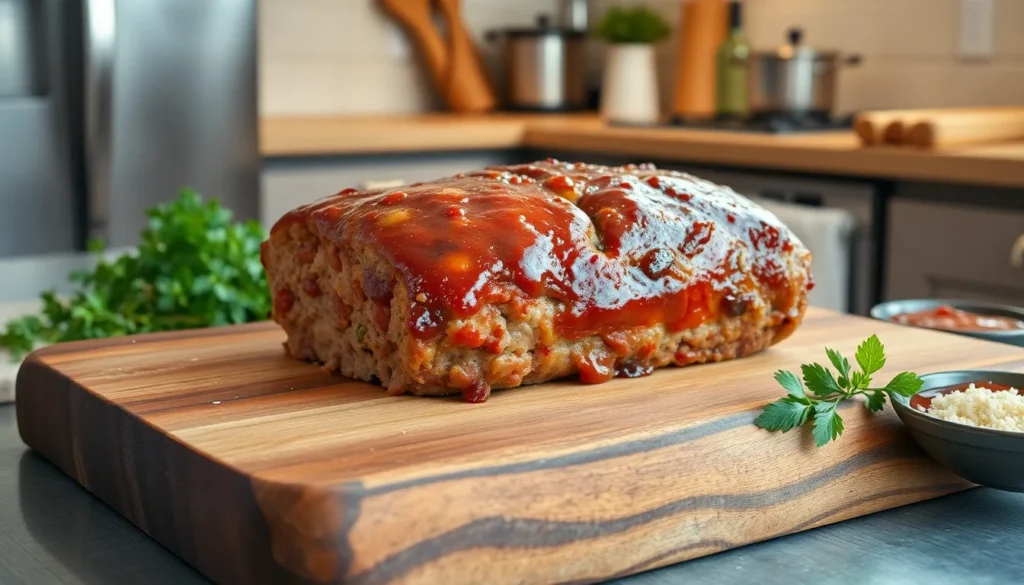
When it comes to comfort food, few dishes can compete with a hearty meatloaf. It’s the culinary equivalent of a warm hug after a long day. But here’s the kicker: undercooked meatloaf can turn that cozy feeling into a food safety nightmare. So how can one ensure that this beloved dish reaches its juicy, flavorful potential without risking a trip to the doctor?
The secret lies in knowing the perfect internal temperature for meatloaf. With the right temp, it transforms from a potential disaster into a mouthwatering masterpiece. Whether you’re a seasoned chef or a kitchen novice, understanding this crucial detail can elevate your meatloaf game to new heights. Let’s dive into the world of meatloaf temperatures and discover how to serve up a dish that’s not just safe but also irresistibly delicious.
Understanding Meatloaf
Meatloaf serves as a classic comfort food cherished by many. Cooking it to the proper internal temperature is crucial for both safety and flavor.
What Is Meatloaf?
Meatloaf represents a dish made from ground meat shaped into a loaf. Traditional recipes often incorporate beef, but variations exist using pork, turkey, or chicken. This dish features seasonings and filler ingredients to enhance texture and taste. Families frequently serve meatloaf alongside sides like mashed potatoes or green beans. Cooking techniques vary, with some opting for baking and others using slow cookers.
Common Ingredients
Meatloaf typically includes several key ingredients. Ground meat forms the base, while breadcrumbs or oats act as binders. Eggs often serve as a binding agent to hold the mixture together. Common seasonings include salt, pepper, onion, and garlic, providing flavor. Many people incorporate sauces, like ketchup or barbecue sauce, either in the mixture or as a topping. Vegetables such as bell peppers and carrots can also be added for extra nutrition.
Importance Of Internal Temperature
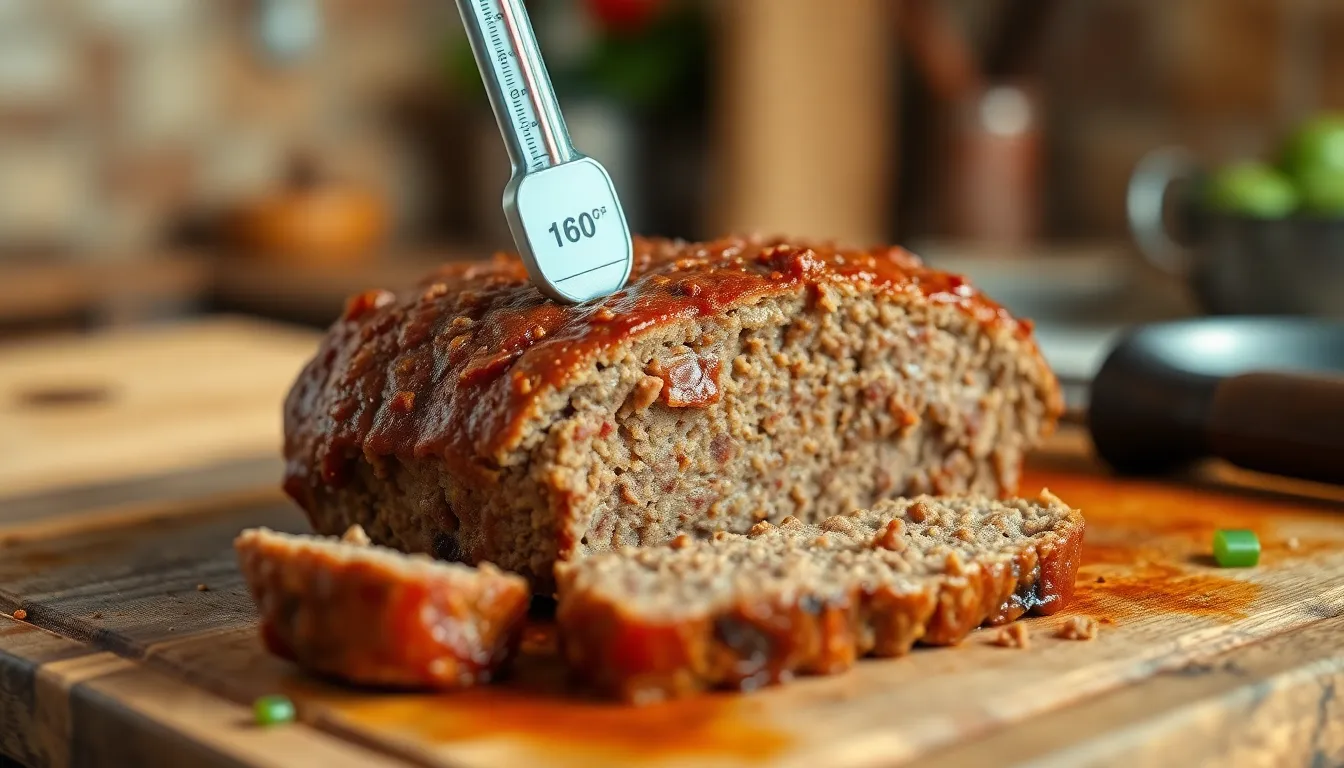
Cooking meatloaf to the correct internal temperature is crucial for safety and overall quality. Not only does it prevent foodborne illnesses, but it also enhances the dish’s satisfying texture and flavor.
Food Safety Guidelines
Food safety guidelines specify that ground meat must reach a minimum internal temperature of 160°F (71°C). This temperature effectively kills harmful bacteria. Using a food thermometer ensures accurate readings throughout the meatloaf. Proper cooking prevents illnesses associated with contaminated meat, such as Salmonella and E. coli. Always allow the meatloaf to rest for at least three minutes after removing it from the oven; this resting period helps improve both safety and texture.
How Temperature Affects Flavor and Texture
Temperature directly influences the flavor and texture of meatloaf. When cooked to the recommended 160°F (71°C), the meatloaf maintains moisture, resulting in a tender bite. Cooking at higher temperatures may lead to dryness, diminishing the overall appeal of the dish. Proper internal temperature enhances the Maillard reaction, which develops rich flavors during cooking. Factors like ingredient choice and seasoning also play a role; when combined with optimal temperatures, they create a delicious and satisfying meal.
Recommended Internal Temperature For Meatloaf
Cooking meatloaf to the correct internal temperature is crucial for both safety and taste. The USDA recommends a safe minimum internal temperature of 160°F (71°C) for all ground meats, including beef, pork, turkey, and chicken. Achieving this temperature prevents foodborne illnesses. Using a reliable food thermometer ensures accuracy. Cooked meatloaf should be resting for at least three minutes before slicing, which helps retain moisture and improves texture.
Safe Minimum Internal Temperature
The safe minimum internal temperature for meatloaf is 160°F (71°C). This temperature effectively kills harmful bacteria, making the meal safe to eat. Ground meats like beef or turkey require this level of cooking. Checking the temperature at the center of the meatloaf guarantees proper doneness. For added safety, it’s best to insert the thermometer into the thickest part of the loaf. Once it reaches the recommended temperature, you can confidently serve your meatloaf.
Signs Meatloaf Is Fully Cooked
Look for several indicators to confirm meatloaf is fully cooked. First, the internal temperature should register at 160°F (71°C). Additionally, clear juices should flow when the meatloaf is cut. A firm texture indicates it has cooked through properly. Another sign is the absence of pink meat, especially in the center. Ensuring that the edges brown slightly further signifies doneness. Relying on these signs, along with using a thermometer, guarantees a satisfying meal.
Tips For Measuring Internal Temperature
Measuring the internal temperature of meatloaf requires precision to ensure safety and quality. Using a thermometer guarantees accurate results, helping cooks enjoy a perfectly prepared dish.
Choosing The Right Meat Thermometer
Selecting an appropriate meat thermometer significantly affects cooking outcomes. Digital instant-read thermometers provide quick and precise measurements, suitable for different types of meatloaf. Probe thermometers, designed to remain in the meat during cooking, allow for continuous monitoring. Look for models that display temperatures clearly and are easy to clean. Opting for a thermometer with a wide temperature range accommodates various cooking needs.
Best Practices For Checking Temperature
Employing effective methods for checking temperature enhances meatloaf preparation. Insert the thermometer into the thickest part without touching the pan or bone for accurate readings. Ensure you check temperature at multiple points to verify even cooking. Aim for the USDA-recommended minimum internal temperature of 160°F (71°C) for safety. Allowing the meatloaf to rest for a few minutes before slicing helps retain juices and improves overall texture.
Cooking meatloaf to the right internal temperature is crucial for both safety and flavor. By ensuring it reaches at least 160°F (71°C) the dish transforms into a delicious and satisfying meal. Using a food thermometer not only guarantees safety but also enhances the texture and moisture of the meatloaf.
Taking the time to let the meatloaf rest after cooking allows the juices to redistribute, resulting in a tender bite. With the right techniques and attention to temperature, anyone can create a meatloaf that’s not just safe to eat but also a comforting favorite at the dinner table. Embracing these practices can elevate the cooking experience and lead to a truly enjoyable meal.