

Early learning isn’t just about ABCs and 123s; it’s the secret sauce that sets the stage for lifelong success. Imagine a world where children dive into learning like kids into a ball pit—joyful, fearless, and ready to explore! This phase of development shapes their future, igniting curiosity and creativity in ways that’ll make even the most seasoned adults envious.
From building blocks to storytime adventures, early learning is the ultimate playground for young minds. It’s where they learn to share, solve problems, and maybe even plot world domination (or at least the best way to get dessert). Investing in early education isn’t just smart; it’s essential for nurturing confident, capable individuals who’ll tackle life’s challenges head-on. So, let’s dig into why early learning matters more than ever and how it can transform the lives of our little ones.
Overview of Early Learning
Early learning serves as a crucial foundation for lifelong success. This phase encompasses more than just basic academics such as reading, writing, and math. It represents a joyful exploration of the world where children cultivate curiosity and creativity. Engaging activities play a significant role in developing essential skills like sharing, problem-solving, and critical thinking.
In early childhood, children encounter countless opportunities to learn through play and interaction. Such experiences not only enhance cognitive abilities but also promote social and emotional growth. Invested parents and educators can significantly impact a child’s development during these formative years. Employing a variety of approaches like structured play, storytelling, and hands-on activities, early learning fosters a love for knowledge.
Studies show that quality early education leads to better long-term outcomes, such as higher graduation rates and improved employment opportunities. Children who participate in these programs often display enhanced self-esteem and greater adaptability in various settings. Research by the National Institute for Early Education Research underscores the importance of access to quality early learning experiences.
This phase prepares children for future challenges and orientation in a rapidly changing world. Prioritizing early education aligns not just with individual success but also with societal benefits, such as reduced crime rates and increased economic productivity. Stakeholders, including governments and communities, must recognize and invest in these programs to support the development of confident and capable individuals.
Importance of Early Learning
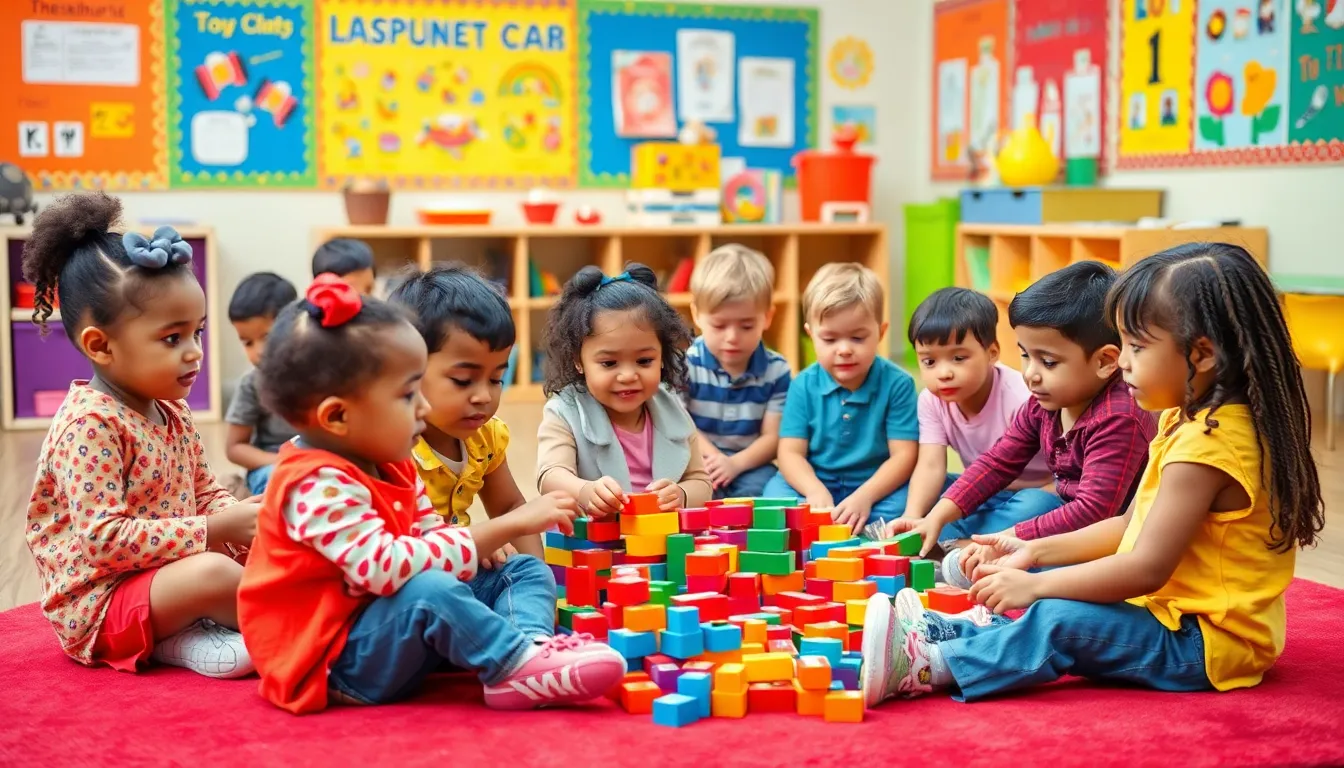
Early learning forms a vital foundation for success in life, extending beyond academics. This phase fosters curiosity and creativity, shaping well-rounded individuals.
Cognitive Development
Cognitive development flourishes during early learning years. Children engage in activities that promote problem-solving skills, critical thinking, and creativity. Structured play and hands-on experiences stimulate brain development, enhancing memory and attention. Research shows that children exposed to quality early education demonstrate improved academic performance later in their schooling. These foundational skills cultivate a love for learning that persists throughout life. Engaging in group activities encourages communication and teamwork, further enriching cognitive abilities. Overall, early learning significantly influences a child’s intellectual growth.
Emotional and Social Growth
Emotional and social growth emerges prominently through early education. Children learn to manage feelings and build relationships with peers. Engagement in group settings fosters sharing, cooperation, and empathy. Educators and parents play crucial roles by modeling positive interactions and emotional expression. Supportive environments help children develop self-esteem and resilience, essential traits for future challenges. Evidence indicates that emotionally secure children exhibit better social skills and adaptability. Positive early experiences lead to improved interactions throughout life, making early learning a cornerstone for emotional and social development.
Approaches to Early Learning
Early learning incorporates various methodologies that emphasize child-centered education. Two notable approaches include the Montessori Method and the Reggio Emilia Approach.
Montessori Method
Montessori Method promotes self-directed learning through hands-on activities. Students choose materials that interest them, fostering independence and intrinsic motivation. Classrooms emphasize mixed-age groups, allowing younger children to learn from older peers. Teachers act as guides rather than traditional instructors, facilitating exploration and discovery. This approach helps cultivate critical thinking and problem-solving skills. Research indicates that children in Montessori programs show improved academic performance and social skills, reflecting the method’s effectiveness.
Reggio Emilia Approach
Reggio Emilia Approach centers on collaboration and community involvement. Children engage in projects driven by their interests, which encourages deep exploration and inquiry. The environment serves as the “third teacher,” with carefully designed spaces that facilitate learning. Documentation of children’s work plays a crucial role, allowing for reflection and assessment. Teachers and parents work closely together, reinforcing the child’s learning experience. Studies show that this approach fosters creativity and enhances communication skills, emphasizing its relevance in modern education.
Challenges in Early Learning
Challenges in early learning impact children’s development and long-term success significantly. Addressing these obstacles is crucial for fostering nurturing environments.
Access to Quality Education
Access to quality education remains a critical barrier for many families. Disparities in resources can result in unequal educational opportunities. For instance, low-income communities often lack well-resourced early learning centers. Research indicates that children in disadvantaged areas face challenges related to educational attainment. Programs targeting these gaps can enhance access and improve outcomes for children. Investments in affordable early education benefit both families and society by leveling the playing field. Additionally, transportation issues can limit access to quality programs. Community initiatives focused on expanding access help bridge these gaps.
Parental Engagement
Parental engagement plays a vital role in a child’s early learning experience. Active participation fosters better educational outcomes and encourages a positive home learning environment. Parents who engage in their children’s education often enhance language skills and cognitive development. Workshops and support groups can empower parents with tools and strategies for effective involvement. Opportunities for parents to connect with educators create collaborative partnerships. Moreover, effective communication between parents and schools strengthens a child’s support system. Increased parental engagement leads to improved academic performance and social skills. Resources and training provide parents with the confidence to actively support their children’s learning journey.
Early learning lays the groundwork for a child’s future success by fostering essential skills and emotional growth. By prioritizing quality education during these formative years, society can nurture confident individuals ready to face life’s challenges. Engaged parents and innovative teaching methods can significantly enhance a child’s learning experience, ensuring they develop not only academically but also socially and emotionally.
Investing in early education isn’t just beneficial for children; it has lasting impacts on communities and economies. By addressing access disparities and empowering parents, stakeholders can create a brighter future for all children. The importance of early learning cannot be overstated, as it shapes the leaders and innovators of tomorrow.