

Family traditions are the glue that holds generations together, often with a side of laughter and a sprinkle of chaos. From epic holiday feasts where Uncle Joe insists on bringing his infamous fruitcake to the annual game night that always ends in a friendly debate over Monopoly rules, these rituals create lasting memories. They’re the stories we tell and retell, sometimes with exaggerated flair, and they shape our identities in ways we often overlook.
In a world that constantly changes, family traditions offer a comforting embrace, reminding everyone of where they came from. Whether it’s a quirky annual vacation or a simple Sunday dinner, these customs keep families connected. So, let’s dive into the delightful world of family traditions and explore how they not only bring joy but also strengthen bonds, all while keeping the laughter rolling. After all, who doesn’t love a good family story—especially the ones that end with a punchline?
Importance of Family Traditions
Family traditions play a crucial role in fostering connections and creating memorable experiences. These customs not only nurture relationships but also instill values across generations.
Strengthening Family Bonds
Family traditions unify members by creating shared experiences. Regularly gathering for meals or participating in celebrations offers opportunities for communication. They foster emotional closeness among relatives, reinforcing a sense of belonging. Rituals during holidays or special events create lasting memories, helping to deepen connections. Engaging in fun activities like game nights enhances interactions, resulting in stronger family ties.
Promoting Cultural Heritage
Family traditions serve as a bridge to cultural heritage. These rituals often reflect a family’s history and values, providing context and meaning. Participating in cultural celebrations or festivals connects individuals to their ancestry. Such traditions preserve customs and languages, enriching family identity. Sharing stories about heritage during gatherings fosters pride in one’s background, encouraging younger members to appreciate their roots. Celebrating unique practices helps maintain cultural continuity in an ever-changing world.
Types of Family Traditions
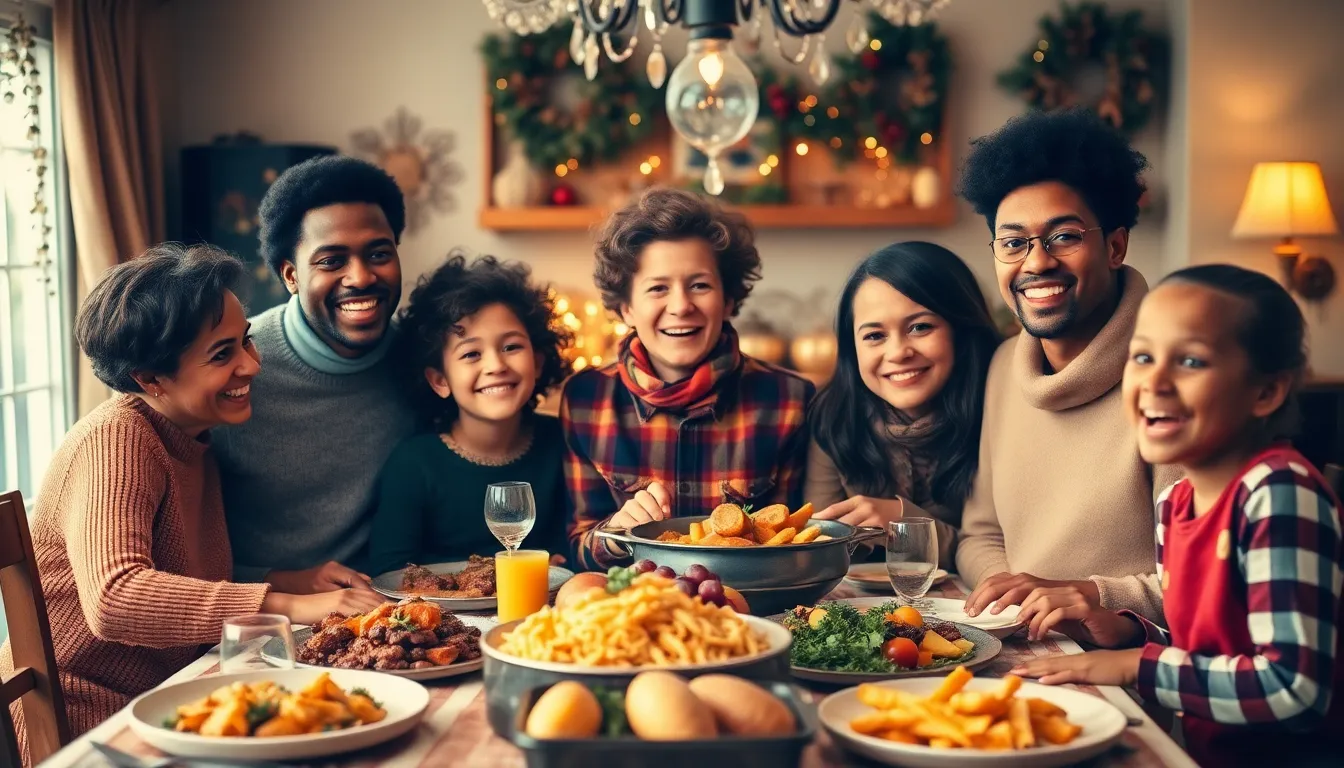
Family traditions often come in various forms. Each type serves to strengthen bonds and create cherished memories.
Holiday Celebrations
Holiday celebrations bring families together to honor special occasions. These gatherings often feature shared meals, decorations, and gift exchanges; traditions tied to specific holidays, like Thanksgiving feasts, Christmas rituals, and birthday celebrations, create a heartwarming atmosphere. Families might engage in unique activities, such as attending religious services, singing carols, or playing games. These events foster unity, encourage laughter, and allow family members to create lasting memories year after year.
Seasonal Activities
Seasonal activities highlight the changing times of the year. Many families enjoy summer barbecues, fall apple-picking excursions, and winter snowball fights. Engaging in these activities often becomes a rite of passage, as children grow older and pass down their favorites. Families might also participate in community events related to seasonal festivities, like spring flower festivals or autumn harvest gatherings. These experiences connect generations, helping to cultivate appreciation for nature and family togetherness.
Milestones and Rites of Passage
Milestones and rites of passage mark significant moments in family life. Celebrating graduations, weddings, and anniversaries allows families to honor achievements and transitions. Rituals surrounding these events can include ceremonial gatherings, speeches, and family traditions specific to the occasion. Individuals often reflect on their journeys and share stories, strengthening familial bonds. By recognizing these milestones, families weave a rich tapestry of shared memories throughout their lives.
Creating and Maintaining Family Traditions
Creating and maintaining family traditions involves thoughtful engagement and flexibility. Families can build memories that last for generations through shared experiences.
Involving All Family Members
Involving every family member promotes inclusivity and strengthens bonds. Each person can contribute ideas, ensuring that special occasions reflect everyone’s interests. Children often bring creativity, while grandparents provide historical context. Involving multi-generational perspectives enriches traditions and nurtures connections, allowing everyone to invest in the experience. Activities like cooking a family recipe or crafting decorations create opportunities for collaboration, leading to shared ownership of unique traditions. When everyone participates, the sense of belonging enhances, and the family narrative flourishes.
Adapting Traditions Over Time
Adapting traditions over time keeps them relevant and engaging. Life changes, like new family members or shifting interests, necessitate evolution. Each holiday or gathering can incorporate new elements while retaining core values. Adjusting activities, such as moving a Thanksgiving gathering outdoor, ensures enjoyment for younger generations. Families might also merge traditions from different backgrounds to create a richer experience. When families embrace change, traditions transform into living practices rather than fixed rituals, allowing them to resonate with current and future generations. These adaptations can enhance emotional connections and maintain a sense of unity.
The Impact of Family Traditions on Children
Family traditions significantly shape children’s development and well-being. They create a stable environment that fosters emotional growth.
Emotional Security
Family traditions provide a sense of safety and stability for children. Regular activities like weekly game nights or annual vacations create a predictable routine. Children feel valued and understood when involved in these rituals. Celebrations, such as birthdays or holidays, also contribute to a nurturing atmosphere. Such events enhance feelings of love and belonging. These experiences strengthen attachments and reassure children during challenging times. Comfort from familiar practices eases anxieties and bolsters resilience. Children equipped with emotional security exhibit greater confidence in forming relationships outside the family.
Identity Formation
Family traditions play a critical role in shaping a child’s identity. Involvement in cultural practices instills a sense of belonging and pride. Celebrating unique family customs, such as storytelling sessions, reveals heritage and values. Participation in these traditions encourages children to embrace their cultural background. Connections to family history offer insights into who they are as individuals. This foundation supports self-esteem and decision-making skills throughout life. Recognizing the importance of shared rituals fosters a deeper understanding of personal and familial identity. Children often take pride in their family traditions, which influences their social interactions and relationships with peers.
Family traditions serve as the heartbeat of a household fostering connections and creating cherished memories. These rituals not only bring joy and laughter but also instill values that resonate across generations. By engaging in shared activities families strengthen their bonds and nurture emotional well-being.
As families adapt and evolve traditions they ensure that these practices remain relevant and meaningful. This flexibility allows for the incorporation of new experiences while honoring the past. Ultimately the impact of family traditions extends beyond individual experiences shaping identities and reinforcing a sense of belonging. Embracing these customs can enrich lives and cultivate a legacy of love and unity for years to come.