
Filipino family traditions are like a vibrant tapestry woven with love, laughter, and a dash of chaos. From lively family reunions that could rival a carnival to the mouthwatering feasts that make every meal feel like a celebration, these customs reflect the heart and soul of Filipino culture. It’s not just about the food—though let’s be honest, who can resist a plate of adobo?
Every gathering is an opportunity to bond, share stories, and maybe even engage in a friendly debate over who makes the best lumpia. These traditions aren’t just rituals; they’re the glue that holds families together, ensuring that laughter echoes through generations. Dive into the colorful world of Filipino family traditions and discover how they create lasting memories and connections that are as rich as the flavors of a home-cooked meal.
Table of Contents
ToggleOverview of Filipino Family Traditions
Filipino family traditions showcase a deep sense of community and togetherness. Every gathering becomes a chance for relatives to reconnect, reflecting the value placed on familial bonds. Central to these traditions are family reunions, where members come together to share experiences and create lasting memories. Festive meals often accompany these events, with dishes rich in flavor that highlight the country’s culinary heritage.
Celebrations mark significant occasions like birthdays, weddings, and holidays. During these events, the joyous atmosphere invites storytelling and laughter, strengthening interpersonal relationships. Practices such as “mano,” a gesture of respect to elders, foster reverence within the family structure. Conversation flows freely as wisdom is shared between generations.
Certain holidays, such as Christmas and Holy Week, encapsulate many Filipino traditions. Families participate in community activities, helping transform each occasion into a collective memory. Rituals like Noche Buena, where families gather to celebrate Christmas Eve, emphasize togetherness and gratitude.
Expressions of love and support permeate Filipino culture, proving that family remains a priority. Togetherness not only sustains relationships but also preserves cultural identity. Emphasis on respect, love, and care for one another establishes an unbreakable bond among family members.
These elements not only nurture connections but also serve as vital lessons for younger generations. Traditions passed down through storytelling and shared experiences reinforce the family unit’s importance. The essence of Filipino family traditions resonates in everyday life, creating a rich tapestry of cultural significance that continues to thrive.
Key Values in Filipino Families
Filipino families prioritize essential values that shape their relationships and traditions. These values enhance family bonds and nurture a strong sense of belonging.
Respect for Elders
Respect for elders holds significant importance in Filipino culture. Younger members practice “mano,” a gesture where they take the hand of an elder and place it on their forehead as a sign of respect. Elders often serve as advisors, sharing wisdom and life lessons. Family decisions frequently involve the input of the eldest members, reinforcing their status. This deep-rooted tradition fosters a nurturing environment where younger generations learn to value loyalty and affection. Generational connections strengthen through storytelling, ensuring the continuity of cultural values.
Strong Family Ties
Strong family ties characterize Filipino households. Family gatherings consistently draw relatives together, especially during holidays and special occasions. Extended families often live in close proximity, promoting daily interactions. Support systems flourish within these structures; family members rally during challenging times. Trust and loyalty define relationships among siblings, parents, and extended family. Children learn the importance of teamwork and unity through shared experiences. Collectively, strengthening family ties fosters resilience, making the Filipino family a cornerstone of cultural identity.
Celebrations and Rituals
Celebrations and rituals form a vital part of Filipino family traditions, deeply rooted in culture and community. Various festivities and gatherings showcase the warmth and unity among family members.
Filipino Festivities
Filipino festivities highlight cultural heritage and community spirit. Major events like Christmas and fiestas attract families to participate in lively parades, music, and dance, celebrating local customs. These occasions often include traditional foods, such as lechon and bibingka, shared among relatives. The communal aspect of these celebrations fosters close connections and shared memories. During these times, families unite, reinforcing their roles in maintaining cultural identity through joyful traditions.
Family Gatherings
Family gatherings create opportunities for bonding and storytelling. Regular reunions strengthen relationships among relatives, encouraging communication across generations. During birthdays, weddings, and holidays, families gather for sumptuous meals, honoring loved ones and reflecting on shared experiences. Children learn the importance of relationships through these interactions. Each gathering offers them lessons in love, respect, and loyalty while preserving family history. Ultimately, such rituals cement the bonds that define Filipino families, showcasing their resilience and unity.
Cultural Practices and Beliefs
Cultural practices and beliefs play a crucial role in shaping Filipino family traditions. These customs reflect the deep-seated values and spirituality held by families across the Philippines.
Religious Influences
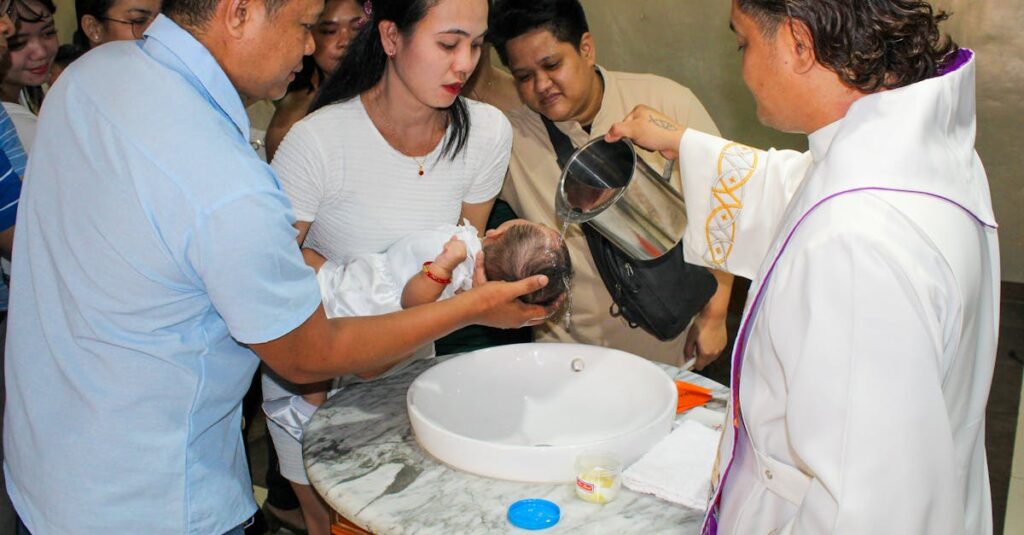
Religious observances permeate everyday life. Family gatherings often revolve around significant religious events, especially Holy Week and Christmas celebrations. These occasions not only highlight spiritual beliefs but also encourage familial bonding. Worship traditions bring families together, reinforcing unity and shared faith. Participation in Mass and community initiatives showcases devotion and commitment to cultural roots. Congregational activities, such as Simbang Gabi (dawn masses), create opportunities for families to connect, demonstrating the importance of spirituality in daily interactions.
Traditional Practices
Traditional practices echo through generations, showcasing Filipino identity. Customs like “mano” emphasize respect, allowing younger members to honor their elders. Celebrating milestones combined with local rituals strengthens family connections. Meals during important occasions are often communal, featuring traditional dishes like adobo and lumpia, which further bind families together. Festivals, such as Sinulog and Ati-Atihan, reflect shared heritage, allowing families to participate in lively celebrations. These practices highlight collective memory, reinforcing the values of love, togetherness, and a rich cultural identity among Filipino families.
Modern Influences on Filipino Family Traditions
Modern influences increasingly shape Filipino family traditions, transforming how families interact and celebrate. Global concepts and technological advances affect traditional practices, leading to changes in family dynamics and values.
Globalization and Change
Globalization impacts Filipino family traditions significantly. Exposure to diverse cultures brings new ideas, prompting families to blend traditional practices with modern lifestyles. Family celebrations now often incorporate international customs, such as themed parties and global cuisine options. Social media plays a role in connecting families, enabling them to share experiences and maintain bonds despite geographic distances. Acceptance of diverse viewpoints enriches family discussions, encouraging younger generations to adopt a broader perspective on life. Adaptation to these changes fosters a unique fusion of heritage and modernity, reflecting how Filipino families navigate a rapidly evolving world.
Preservation of Heritage
Despite modern influences, preservation of heritage remains vital to Filipino family traditions. Families actively engage in maintaining cultural practices, recognizing their importance in reinforcing identity. Celebrations of traditional holidays, such as Christmas, demonstrate resilience against global paradigms. Rituals like Noche Buena and Simbang Gabi continue to bring families together, creating cherished memories and communal experiences. Parents pass cultural values to children through storytelling and involvement in community events, ensuring that younger generations stay connected to their roots. This commitment highlights the significance of preserving heritage while embracing contemporary changes, allowing Filipino families to evolve without losing their unique cultural identity.
Filipino family traditions embody a rich tapestry of love respect and unity. These customs not only strengthen bonds among family members but also preserve cultural identity across generations. Through celebrations rituals and shared meals families create lasting memories that reflect their values and heritage.
As they navigate modern influences Filipino families continue to honor their roots while adapting to new realities. This blend of tradition and innovation ensures that the essence of Filipino culture remains vibrant and relevant. Ultimately the commitment to family and community serves as a guiding light fostering resilience and connection in an ever-changing world.