
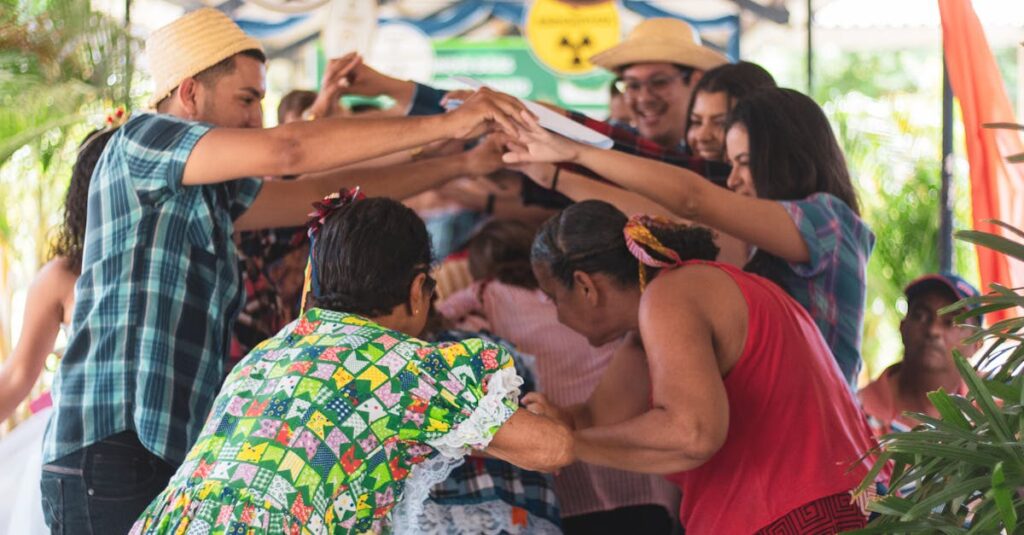
Mexican family traditions are a vibrant tapestry woven with love, laughter, and a sprinkle of chaos. From lively fiestas to mouthwatering feasts, these customs celebrate the bonds that tie families together. Picture this: a house filled with the aroma of tamales, the sound of laughter echoing through the halls, and a game of Lotería that can turn even the most serious uncle into a giggling mess.
Table of Contents
ToggleOverview of Mexican Family Traditions
Mexican family traditions emphasize strong connections and affectionate bonds. These customs often reflect deep-rooted values such as respect for elders and the importance of togetherness. Family gatherings, especially during holidays, create an atmosphere filled with warmth and laughter.
Celebrations like Día de los Muertos highlight the significance of honoring deceased family members. Altars adorned with photos, favorite foods, and marigold flowers remind families of their heritage. Significant events, including quinceañeras, mark important milestones in a young woman’s life, celebrating her transition into adulthood.
Food plays a central role in these traditions, with dishes like tamales and enchiladas often prepared in large quantities. Meals serve as opportunities for families to bond over shared recipes and culinary techniques. Cooking together enables them to pass down knowledge from one generation to the next.
Games also hold an important place in family gatherings. Activities such as Lotería not only entertain but promote interaction among various age groups. Laughter fills the air as family members engage in friendly competition, fostering deeper connections.
Music and dance further enrich family celebrations. Traditional mariachi tunes and folk dances create a joyful ambiance for following generations to enjoy. Celebrations often extend late into the night, highlighting their vibrant culture.
Overall, Mexican family traditions weave together elements of love, respect, and celebration, creating a tapestry that strengthens familial ties. Each gathering, festivity, and meal enriches the family’s cultural fabric, ensuring these cherished customs persist through time.
Celebrations and Festivals
Celebrations and festivals form the heart of Mexican family traditions, expressing deep-rooted cultural values through joyous gatherings.
Día de los Muertos
Día de los Muertos, or Day of the Dead, celebrates deceased family members with vibrant altars called ofrendas. These altars display photos, favorite foods, and marigold flowers. Families gather to honor their loved ones, sharing stories and memories. Traditionally, sugar skulls, crafted with colorful decorations, symbolize the cycle of life. This holiday fosters a sense of connection with the past while encouraging appreciation for the present. Rituals include visiting cemeteries, where families clean graves and offer flowers. Overall, Día de los Muertos showcases the significance of honoring family ties and the belief that death is part of life.
Las Posadas
Las Posadas occurs during the nine days leading to Christmas, reenacting Mary and Joseph’s search for shelter. Each evening, families participate in this festivity, hosting gatherings that feel joyful and communal. Participants form a procession while singing traditional songs, seeking “inns” that represent various homes. Children often carry piñatas filled with treats, enhancing the fun. At the end of each night, families share festive foods like tamales and hot chocolate. This event strengthens community bonds, highlighting the support found within families and neighborhoods. Las Posadas illustrates the importance of hospitality and celebration during the Christmas season in Mexican culture.
Family Gatherings and Meals
Family gatherings in Mexico serve as vibrant presentations of culture and connection. They center around shared meals that embody warmth and affection, where family members come together to celebrate relationships and traditions.
Importance of Shared Meals
Shared meals represent a cornerstone of Mexican family life. During these gatherings, bonds strengthen as stories and laughter flow alongside delicious food. Mealtime fosters communication and unity among generations. Celebrations often see multigenerational families seated together, allowing younger members to learn from their elders. These moments provide opportunities to pass down cherished recipes and cultural practices, reinforcing family identity. Even daily meals carry significance, marking occasions with familiar dishes that evoke a sense of belonging and tradition.
Traditional Mexican Dishes
Traditional Mexican dishes highlight the rich culinary heritage of the country. Tamales stand out as a favorite, filled with diverse ingredients and often served during celebrations. Enchiladas, chiles rellenos, and mole reflect regional flavors and techniques. Families often gather to prepare these dishes, reinforcing teamwork and shared effort. Dishes vary by occasion and region, showcasing local products and flavors. Celebratory meals may also include pozole or birria, providing hearty options that bring everyone together. The preparation and enjoyment of these meals exemplify the importance of family traditions, creating lasting memories that endure through generations.
Roles within the Family
Mexican families showcase well-defined roles that contribute to a supportive and nurturing environment. Each member plays an important part in maintaining traditional values and fostering emotional connections.
Parental Responsibilities
Mothers often serve as primary caregivers, nurturing children and instilling cultural values. Fathers typically take on the role of providers, securing resources for the family. Each parent models respect and responsibility, teaching children the significance of family ties. Parents encourage open communication, ensuring that children feel heard and valued. Family responsibilities are equally shared, emphasizing collaboration in household duties and decision-making. Parents also emphasize the importance of education, guiding children to achieve their goals while maintaining strong family relationships.
Extended Family Dynamics
Extended family members play vital roles in Mexican households. Grandparents frequently provide wisdom, support, and childcare, enriching children’s lives with their experiences. Aunts, uncles, and cousins also form close-knit relationships, participating in family gatherings and celebrations. Each member contributes to the emotional development of younger generations, sharing stories and traditions that strengthen bonds. In addition, these relationships cultivate a sense of belonging, reinforcing cultural heritage. Family gatherings often highlight this dynamic, where laughter and shared memories enhance connection among all relatives.
Cultural Influences on Traditions
Mexican family traditions draw heavily from indigenous and Spanish cultural influences. These roots create a vibrant mix that shapes customs and practices. For example, the celebration of Día de los Muertos showcases pre-colonial beliefs about death intertwined with Catholicism, forming a unique ritual that honors ancestors.
Regional differences also play a significant role in shaping these traditions. Each region contributes its own flavors and practices, reflecting local ingredients, music styles, and historical backgrounds. For instance, food varies by state, from the rich sauces of Oaxaca to the seafood dishes of Veracruz. Such diversity highlights the regional customs embedded in family celebrations.
Religion significantly affects family gatherings. Many traditions revolve around Catholic holidays, reinforcing communal bonds through shared rituals such as Las Posadas. These reenactments of Mary and Joseph’s journey emphasize hospitality and unity among neighbors and family members, fostering a sense of belonging and togetherness.
The influence of history and societal changes cannot be overlooked. As modernity integrates into daily life, some customs evolve. Yet, traditional values remain important. Families strive to maintain cultural practices, blending contemporary influences with time-honored customs, creating an enriching cultural tapestry.
Education adds another layer to the cultural landscape. Families prioritize education, inspiring children to embrace both academic success and cultural heritage. This dedication often shows through storytelling, where grandparents share memories and lessons, preserving heritage for future generations.
Overall, the intricate web of cultural influences defines Mexican family traditions. These influences foster a dynamic interplay of history, religion, and regional diversity, ensuring that customs remain vibrant and relevant across generations.
Mexican family traditions embody a vibrant tapestry of love and connection that transcends generations. Through shared meals games and celebrations families strengthen their bonds while honoring their cultural heritage. Each tradition from Día de los Muertos to Las Posadas showcases the importance of community and togetherness.
As these customs adapt to modern life they continue to reflect deep-rooted values of respect and affection. The essence of Mexican family traditions lies in the joy of gathering the warmth of shared experiences and the commitment to preserving cultural identity for future generations.