
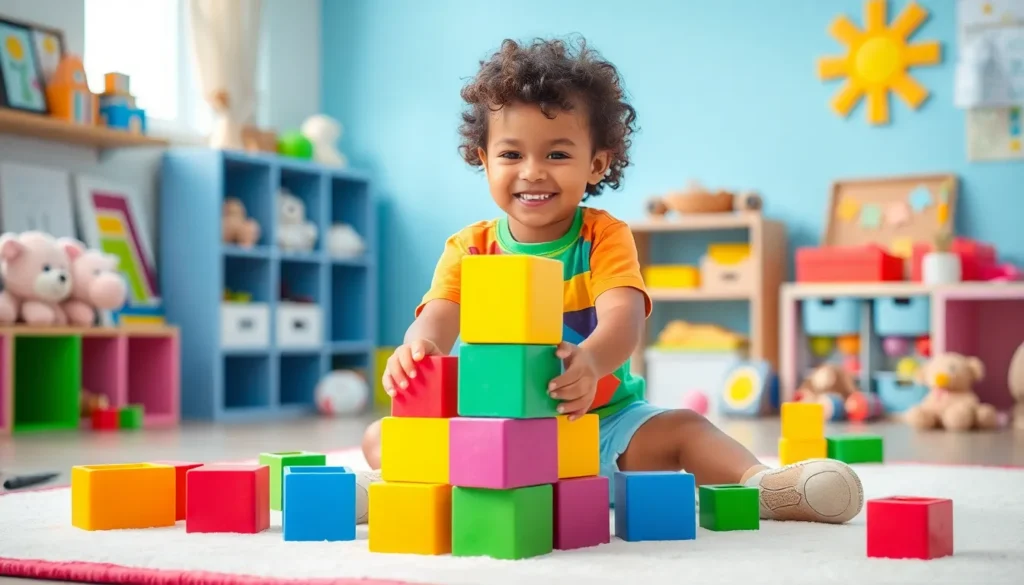
In a world where toddlers seem to have boundless energy and a knack for turning every corner into a mini adventure, finding the right games for preschoolers can feel like a treasure hunt. But fear not! With a sprinkle of creativity and a dash of fun, parents can transform playtime into an engaging learning experience.
Types of Games for Preschoolers
Finding games that engage preschoolers and foster learning can be an enriching experience. Various types of games cater to their unique developmental needs.
Educational Games
Educational games promote early learning in fun ways. These games often involve matching cards, counting exercises, or storytelling activities. They enhance skills like language development, problem-solving, and critical thinking. Interactive apps, such as phonics and math games, also provide valuable learning experiences. Traditional board games like “Candy Land” encourage turn-taking and patience while reinforcing counting skills.
Physical Games
Physical games support motor skill development and encourage active play. Tag, hide-and-seek, and relay races are popular choices for energetic preschoolers. These activities stimulate coordination, balance, and social skills. Obstacle courses can be set up using household items, allowing for creative movement and physical challenges. Group activities like dancing or playing catch foster teamwork and promote a sense of community.
Creative Games
Creative games inspire imagination and self-expression. Arts and crafts, such as painting or building with blocks, enable toddlers to explore textures and colors. Storytelling games, where children create their own narratives, spark creativity and encourage language skills. Dramatic play, such as role-playing in a pretend kitchen or store, allows children to experiment with different roles and relationships. These activities nurture emotional growth by letting kids express their thoughts and feelings freely.
Benefits of Playing Games
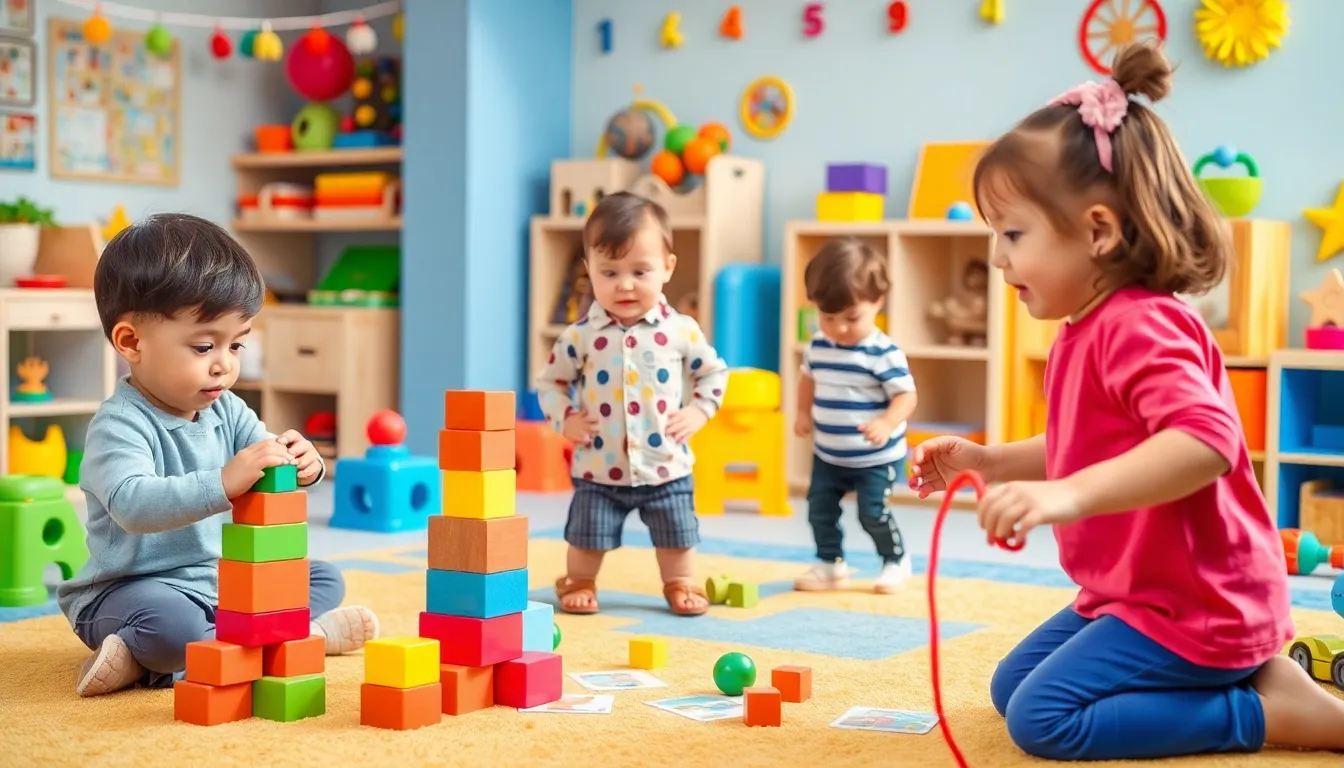
Playing games provides essential benefits for preschoolers. These activities support various aspects of development, enhancing learning experiences.
Cognitive Development
Games stimulate cognitive abilities in preschoolers. Engaging in activities like matching cards enhances memory and problem-solving skills. Participating in storytelling promotes language development and comprehension. Games that require counting or recognizing shapes instill foundational math concepts. Exposure to new vocabulary occurs during imaginative play, enriching communication skills. Overall, these cognitive benefits lay the groundwork for future academic success.
Social Skills Enhancement
Social skills develop through interactive games. Playing together encourages sharing, cooperation, and taking turns. Collaborative games facilitate friendships by teaching negotiation and conflict resolution. When preschoolers play in groups, they learn to express emotions and empathize with peers. Engaging in role-playing activities fosters understanding of different perspectives. Such experiences contribute to a well-rounded social foundation.
Motor Skill Improvement
Physical games enhance motor skills in preschoolers. Activities that involve running, jumping, or throwing help develop gross motor coordination. Fine motor skills improve through tasks like building blocks or drawing. These games also promote balance and spatial awareness through movement. Regular participation in active play encourages agility and flexibility. Such skills are crucial for daily activities and overall physical health.
Popular Games for Preschoolers
Preschoolers enjoy various games that provide entertainment and learning opportunities. These games range from classic options to modern digital and outdoor activities.
Classic Games
Classic games offer timeless fun and learning. Simple options like Freeze Tag challenge kids’ listening skills while encouraging movement. Simon Says creates an engaging way to enhance memory and attention, as preschoolers must listen carefully to commands. Duck, Duck, Goose fosters social interaction by promoting turn-taking and cooperation among children. Each activity helps develop essential cognitive and motor skills.
Modern Digital Games
Modern digital games introduce technology into play, creating new learning experiences. Apps designed for preschoolers often focus on early math and literacy skills through interactive activities. Popular platforms include ABCmouse and PBS Kids, which feature age-appropriate games that keep kids engaged. These digital options also encourage problem-solving and critical thinking through fun challenges. Importantly, screen time remains balanced, ensuring that digital fun complements traditional play.
Outdoor Games
Outdoor games provide active play and exploration in nature. Activities like scavenger hunts encourage curiosity and critical thinking, as children search for specific items. Hopscotch develops balance and coordination through physical movement while reinforcing number recognition. Group games like Red Rover promote teamwork and enhance social skills. Being outdoors enriches childhood experiences while supporting overall physical health.
Tips for Choosing the Right Games
Selecting the right games for preschoolers involves careful consideration across several dimensions, ensuring playtime is both safe and enriching.
Age Appropriateness
Age appropriateness of games significantly impacts preschoolers’ engagement and learning. Games designed for specific age ranges cater to developmental milestones, making them suitable for toddlers. Look for games that match preschoolers’ motor skills and cognitive abilities. For instance, simple matching games enhance memory, while more complex storytelling games foster creativity. Choose games that align with their interests to motivate play and make learning enjoyable. This alignment helps make learning effortless and fun.
Safety Considerations
Safety considerations play a vital role in selecting games for young children. Opt for games constructed from non-toxic materials to ensure safety during play. Avoid toys with small parts, as they pose choking hazards. Additionally, ensure games are sturdy and can withstand rough handling typical of this age group. Always check for safety certifications, such as ASTM or CPSIA, which indicate proper safety standards. Prioritizing safety helps create a worry-free play environment for both parents and children.
Engaging Features
Engaging features are essential for maintaining preschoolers’ interest in games. Look for games that incorporate bright colors, appealing characters, and interactive elements. Games with various challenges stimulate curiosity while encouraging problem-solving. Incorporating music or sound effects can enhance engagement and attract attention. Choose games that promote collaboration, as they foster social skills through teamwork. These engaging elements transform games into enjoyable experiences that encourage exploration and learning.
Finding the right games for preschoolers is crucial for their growth and development. By choosing engaging and age-appropriate activities, parents can create a fun environment that fosters learning. Whether it’s through classic games that promote social skills or modern digital options that enhance cognitive abilities, playtime can be both enjoyable and educational.
Incorporating a variety of games ensures that preschoolers develop essential skills while having fun. With creativity and thoughtful selection, playtime becomes an opportunity for exploration and discovery, laying a strong foundation for future learning. Embracing the playful spirit of preschoolers can transform everyday moments into valuable experiences that shape their development.