

Every parent knows that preschoolers are little bundles of energy and creativity. But how do they channel that energy into something constructive? Self-expression activities are the secret sauce to unlocking their inner Picasso or Shakespeare. These fun and engaging activities not only spark imagination but also help develop essential skills like communication and emotional awareness.
Importance Of Self-Expression For Preschoolers
Self-expression activities play a crucial role in early childhood development. Engaging in these activities nurtures creativity, enabling preschoolers to explore their emotions and thoughts. Such activities enhance communication skills, allowing children to articulate their feelings effectively. Kids gain confidence when they express themselves, fostering a sense of individuality.
These activities also promote emotional awareness. By participating in different forms of self-expression, children learn to identify and manage their emotions better. Artistic endeavors like drawing or painting provide them with a safe space to express complex feelings. Moreover, dramatic play encourages them to role-play various scenarios, improving their empathy and social skills.
Collaboration during self-expression activities fosters teamwork. When kids work together on projects, they learn to respect diverse opinions and perspectives. This interaction builds strong interpersonal skills essential for personal and academic success. Preschoolers understand the value of cooperation as they engage in group art projects or storytelling sessions.
Overall, self-expression activities contribute significantly to holistic development. They support cognitive growth by stimulating critical thinking and problem-solving. Kids who engage in these activities exhibit greater adaptability in various situations. Therefore, incorporating self-expression into preschool curricula benefits children’s overall growth and development, equipping them with essential life skills.
Types Of Self-Expression Activities
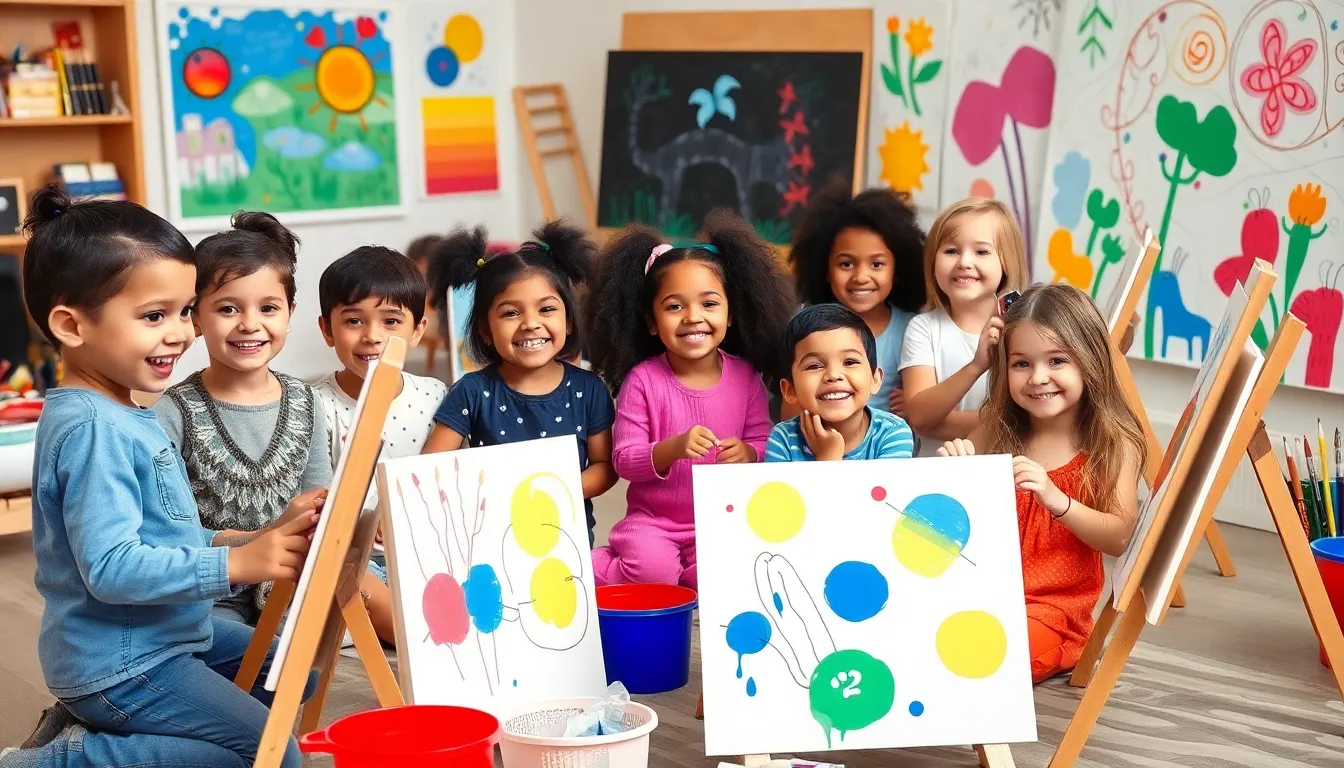
Various self-expression activities enrich preschoolers’ creativity and emotional development. Engaging in diverse activities enables children to explore their feelings and thoughts freely.
Art-Based Activities
Art-based activities facilitate creativity through different mediums such as painting, drawing, or crafting. These methods encourage preschoolers to express emotions visually. Children gain fine motor skills by handling various tools like brushes, crayons, and scissors. Creating art also allows them to make individual choices, fostering a sense of agency. Group art projects promote collaboration, teaching kids to appreciate differing viewpoints and work together effectively.
Music and Movement Activities
Music and movement activities enhance self-expression through sound and body movement. Singing songs or playing musical instruments encourages preschoolers to express their feelings audibly. Dance also becomes a powerful tool for children to release energy while exploring rhythm and coordination. Engaging in these activities cultivates confidence, as kids perform solo or with peers. Music can connect to various themes, stimulating imagination and enhancing emotional awareness.
Role-Playing and Dramatic Play
Role-playing and dramatic play activities develop communication and empathy in preschoolers. Acting out scenarios enables children to explore different perspectives and emotions. They learn to articulate feelings while interacting with peers in imaginative settings. Dressing up in costumes supports creativity and offers opportunities for storytelling. These activities not only foster social skills but also build resilience through problem-solving in various roles and situations.
Benefits Of Engaging In Self-Expression Activities
Self-expression activities offer numerous benefits for preschoolers. These activities significantly contribute to emotional development and social skills enhancement.
Emotional Development
Engaging in creative activities enables preschoolers to explore their feelings, which fosters a deeper understanding of emotions. Children often use art to express what words cannot convey, helping them articulate joy, sadness, or frustration. This expression nurtures emotional intelligence and resilience, equipping kids to handle their emotions effectively in various situations. Artistic endeavors also invite mindfulness, allowing children to reflect on their feelings as they create. Understanding emotions leads to better self-regulation, enhancing overall well-being.
Social Skills Enhancement
Participation in self-expression activities promotes collaboration and respect among preschoolers. Role-playing encourages children to navigate social interactions, helping them understand different perspectives. This practice builds empathy, a critical component of effective communication. Additionally, group activities teach sharing and listening, fundamental aspects of socialization. As kids work together, they develop teamwork skills that become invaluable in later academic and personal relationships. Engaging with peers in creative contexts also boosts confidence, making interactions easier and more enjoyable.
Tips For Encouraging Self-Expression At Home
Encouraging self-expression at home fosters creativity and emotional development. Create a dedicated space for art, allowing preschoolers to access materials like crayons, paints, and craft supplies freely. Provide diverse opportunities, including music, movement, and dramatic play, so children can explore various forms of expression.
Involve them in daily activities, engaging them in conversations where they can share feelings or opinions. Foster inclusion by asking open-ended questions, encouraging them to express themselves without limitations. Schedule regular outdoor playtime, as nature can inspire imaginative play and storytelling.
Introduce new materials periodically, such as collage items or instruments, to keep the excitement alive. Set aside time for family art sessions, promoting collaboration among family members and showcasing their creations. Celebrate all attempts at creativity, reinforcing the idea that self-expression is valuable regardless of the outcome.
Encourage storytelling through both verbal and visual means. Prompt your child to create narratives based on their drawings or experiences. Support their interests, whether it’s puppet shows or music, checking in on their thoughts and experiences.
Model self-expression by sharing your feelings through speech, art, or movement. Let them see that expressing emotions is natural and healthy. Provide positive feedback regularly, highlighting the value of their unique perspectives.
Finally, involve community resources such as local art classes or libraries, which offer additional avenues for exploration and growth. These small steps create an environment that supports and nurtures young children’s self-expression.
Self-expression activities are vital for preschoolers’ growth and development. They provide a platform for children to explore their emotions and creativity while enhancing essential skills like communication and empathy. By engaging in art, music, and dramatic play, kids not only learn to articulate their feelings but also develop resilience and teamwork.
Creating a supportive environment at home can further enrich these experiences. Parents can encourage self-expression by providing diverse materials and opportunities for creative exploration. When children feel free to express themselves, they gain confidence and a deeper understanding of their emotions. This foundation sets the stage for successful personal and academic relationships in the future. Embracing self-expression is a powerful way to nurture a child’s individuality and emotional intelligence.