
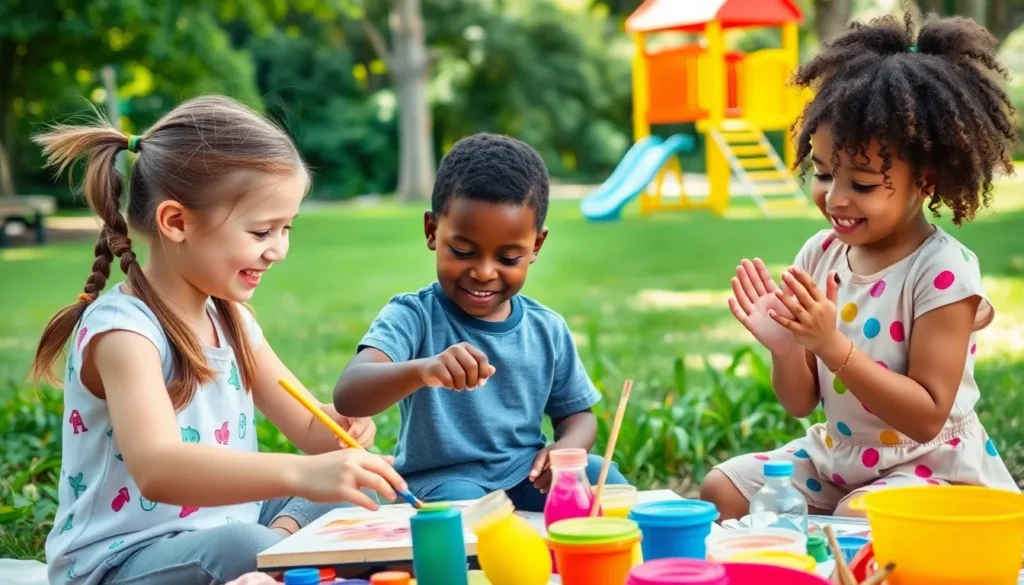
Every parent knows that keeping preschoolers engaged can feel like trying to herd cats. But what if those playful little tornadoes could learn while having a blast? Educational activities for preschoolers are the secret sauce to turning chaotic playtime into enriching experiences.
Importance Of Educational Activities For Preschoolers
Educational activities serve as critical tools for preschoolers’ development. Engaging in these activities enhances cognitive skills, such as problem-solving and critical thinking. Development of social skills occurs when children interact with peers during group activities.
Physical development benefits from hands-on activities that promote fine and gross motor skills. Creativity flourishes through art projects and imaginative play, allowing children to express themselves. Language acquisition occurs as preschoolers participate in storytelling and interactive reading sessions.
Structured activities create routines that foster a sense of security and consistency. Emotional intelligence develops as children navigate sharing, cooperation, and conflict resolution. Academic readiness is cultivated through activities that introduce foundational concepts like numbers and letters.
A variety of educational activities keep learning dynamic and fun. Each experience encourages exploration and inquiry, promoting a love for learning. When activities are tailored to children’s interests, engagement increases and knowledge retention improves.
Incorporating educational games into playtime reinforces learning in enjoyable ways. Parents and caregivers play a crucial role in facilitating these activities, guiding children while allowing independence. By emphasizing education, preschoolers build the skills necessary for future success.
Integration of play and learning results in well-rounded development, preparing them for the transition to formal schooling. Quality early educational experiences shape lifelong attitudes toward learning and academic achievement.
Types Of Educational Activities
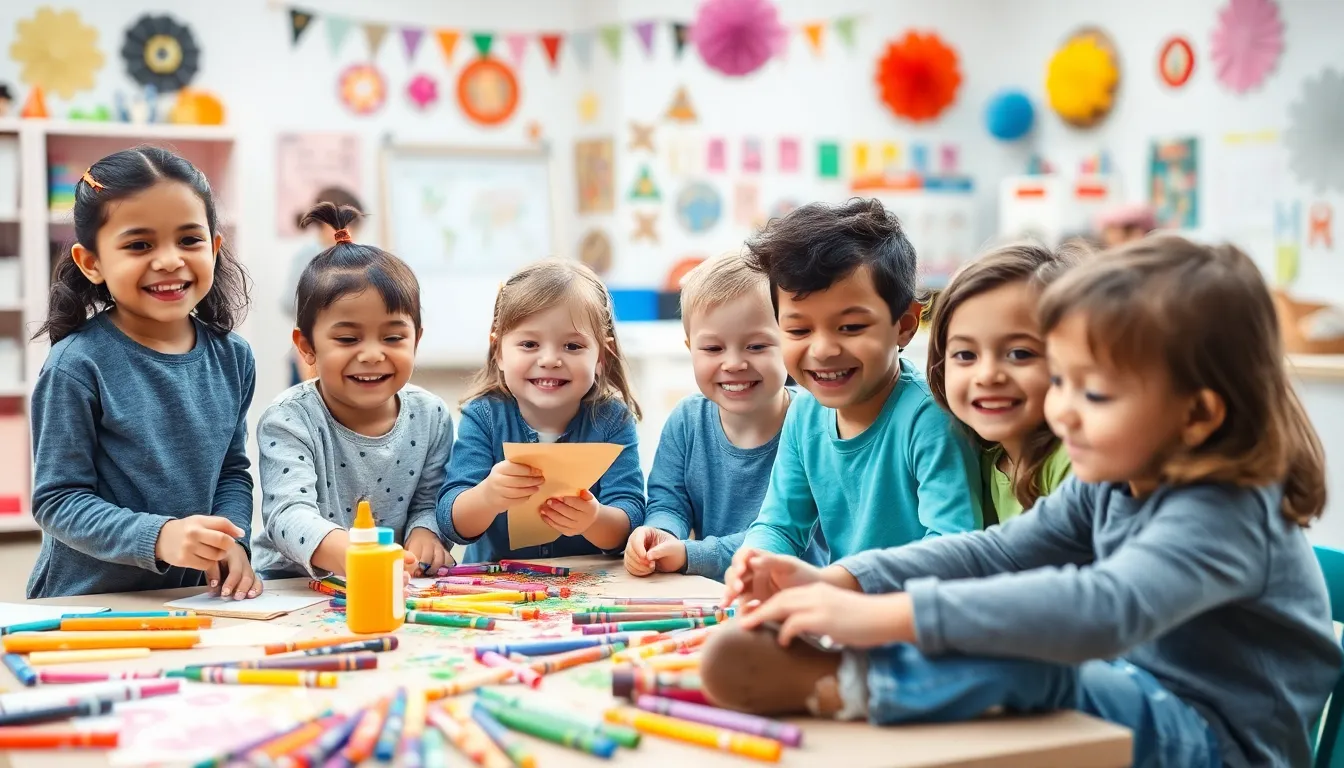
Engaging preschoolers in educational activities fosters their development. Various types of activities promote learning and retention while keeping playtime enjoyable.
Arts And Crafts
Arts and crafts stimulate creativity and fine motor skills. Providing materials like paper, crayons, and glue encourages self-expression. Activities such as painting and cutting shape familiarity and coordination. Children learn about colors and textures while creating unique projects. Using recyclable items in craft sessions enhances environmental awareness. Parents can set up themed projects related to seasons or holidays, making learning fun and engaging.
Storytelling And Reading
Storytelling and reading nurture language development and imagination. Sharing books introduces new vocabulary and concepts. Encouraging children to narrate stories enhances comprehension and creativity. Using puppets or props during storytelling makes the experience more interactive. Parents can visit libraries regularly to explore diverse book selections. Establishing a reading routine cultivates a love for books and learning, laying the groundwork for future literacy skills.
Music And Movement
Music and movement activities promote physical development and coordination. Dancing to different rhythms teaches body awareness and enhances motor skills. Singing simple songs reinforces language acquisition and memory. Instruments like shakers or tambourines introduce musical elements, sharpening auditory skills. Incorporating movement games fosters social skills and teamwork. Regular participation in music and movement sessions boosts confidence while providing a joyful learning experience.
Outdoor Educational Activities
Outdoor activities enrich preschoolers’ learning experiences, providing opportunities for exploration and discovery. Engaging with nature enhances curiosity and fosters a connection to the environment.
Nature Exploration
Nature exploration encourages curiosity about the world. During hikes or park visits, children can observe plants, insects, and animals. Collecting leaves or rocks provides hands-on learning experiences about different textures and colors. Discussing the ecosystem promotes understanding of habitats and food chains, while identifying plants enhances vocabulary and observational skills. Engaging with nature ignites a sense of wonder that reinforces learning through direct interaction with the environment.
Gardening Projects
Gardening projects teach responsibility and the basics of plant biology. Children can plant seeds, water them, and observe growth. Understanding the lifecycle of plants fosters a sense of accomplishment. Setting up a small garden also promotes teamwork, as preschoolers can work together in cultivating their space. Discussing the importance of plants in our ecosystem reinforces lessons in science and health. Through gardening, children develop fine motor skills as they dig, plant, and nurture their garden.
Using Technology In Learning
Technology enhances learning for preschoolers through interactive tools and digital resources. Tablets and smartphones offer engaging educational apps designed for young children. Interactive applications can help develop early literacy and numeracy skills through games that promote problem-solving and critical thinking.
Websites provide a range of educational videos and storytelling resources that capture a child’s interest while fostering imagination. Digital storytelling encourages children to create their narratives, which enhances creativity and language acquisition. Programs focused on music and movement allow preschoolers to learn rhythm and coordination while actively participating.
Smartboards in classrooms encourage group interaction. Collaborative activities on a smartboard foster teamwork and communication skills among preschoolers. Hands-on experiences with technology help children understand basic coding concepts, introducing them to foundational skills needed in the future.
Parental involvement in technology use maximizes its benefits. When parents supervise screen time, they can select appropriate content that aligns with learning goals. Encouragement of balanced tech use establishes healthy habits while integrating educational tools into everyday learning.
Technology also supports personalized learning. Adaptive learning platforms adjust to a child’s unique pace, ensuring they grasp essential concepts. Children can explore topics of interest at their own speed, making learning more engaging and effective.
Supplementing traditional educational activities with technology creates a dynamic learning environment. Using technology alongside hands-on play reinforces learning through diverse modalities. The integration of digital resources leads to a well-rounded educational experience, equipping preschoolers with skills essential for future academic success.
Tips For Engaging Preschoolers
Incorporating interactive elements captures preschoolers’ attention effectively. Use hands-on activities to promote curiosity and encourage exploration. Create opportunities for imaginative play, allowing children to express feelings and thoughts creatively.
Utilize storytelling as a dynamic tool for language development. Encourage participation through questions and discussions, deepening their understanding of narratives. Incorporate props or puppets to make stories more engaging, transforming reading time into an interactive experience.
Introduce art supplies for creative expression. Provide various materials like paints, markers, and clay. Allow preschoolers to experiment with colors and textures, enhancing their fine motor skills and creativity.
Integrate music and movement into daily activities. Sing songs that involve actions or dance routines. Movement supports physical coordination and reinforces language acquisition through rhythmic repetition.
Plan outdoor activities for hands-on learning in nature. Organize nature walks where children can explore plants and animals. Collecting items like leaves or rocks teaches observational skills, fostering a connection with the environment.
Encourage cooperative games to enhance social skills. Choose activities that require teamwork and communication, reinforcing emotional intelligence and conflict resolution. Simple games promote sharing and collaboration among peers.
Incorporate technology wisely. Choose educational apps and digital platforms that support literacy and numeracy development. Monitor content to ensure it aligns with learning goals, using technology as a supplemental resource.
Establish consistent routines that provide security and familiarity. Repeat activities regularly to reinforce learning and help preschoolers understand expectations. Predictable patterns create a stable environment conducive to exploration and growth.
Engaging preschoolers in educational activities lays the foundation for lifelong learning. By blending fun with learning, parents and caregivers can nurture essential skills that support cognitive, social, and emotional development. From arts and crafts to outdoor exploration, these activities foster creativity and curiosity while preparing children for future academic success.
Incorporating technology wisely enhances the learning experience, making it interactive and personalized. With a variety of activities available, parents can create a rich and stimulating environment that encourages exploration and growth. Prioritizing these educational experiences not only enriches playtime but also cultivates a positive attitude toward learning, setting preschoolers on a path to success.