
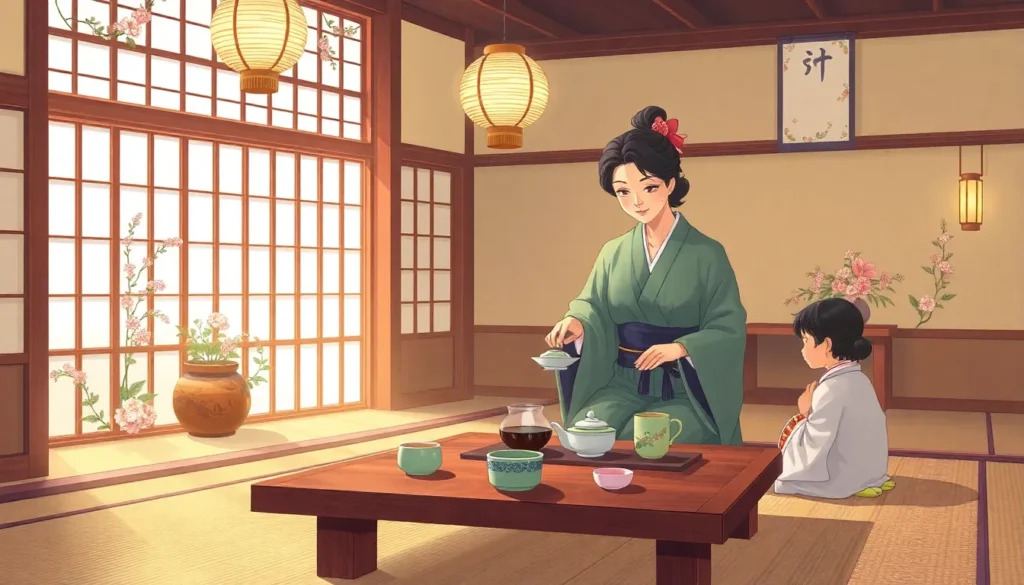
Japanese family traditions offer a captivating glimpse into a rich cultural tapestry woven with love, respect, and a sprinkle of quirky charm. From the art of tea ceremonies that could make even a coffee addict pause to the heartwarming rituals of New Year celebrations, these customs are more than just practices; they’re the glue that binds families together.
Imagine gathering around a table filled with beautifully arranged dishes, each with its own story, as laughter and playful banter fill the air. It’s a delightful blend of formality and fun, where every family member has a role—whether it’s the wise grandparent sharing tales or the youngest one trying to sneak a bite before the prayer. Exploring these traditions not only deepens understanding of Japanese culture but also inspires families everywhere to cherish their own unique customs.
Overview of Japanese Family Traditions
Japanese family traditions encompass a variety of customs that emphasize unity and respect. Family gatherings often include formal rituals, as well as casual celebrations, highlighting the importance of connection. One popular custom is the tea ceremony, showcasing meticulous attention to detail and hospitality.
New Year celebrations play a significant role in family life, featuring shared meals, traditional foods, and purification rituals. Families tend to gather to honor ancestors during these festivities, enhancing their sense of heritage. Many households engage in the practice of giving “otoshidama,” small monetary gifts placed in envelopes, particularly for children.
Seasonal festivals, known as “matsuri,” offer families an opportunity to participate in local traditions. These events include parades, food stalls, and traditional dances, encouraging community bonding. Customary rituals, like “Hinamatsuri,” celebrate daughters’ happiness and good fortune through special decorations and offerings.
Family meals often reflect cultural values, emphasizing teamwork in preparation. Parents teach children the significance of sharing and gratitude, strengthening familial bonds. Birthdays and other milestones receive special attention, where families create lasting memories through unique celebrations.
Visiting shrines and temples further connects families with their spiritual heritage. Traditionally, family members take part in prayer and rituals, seeking blessings for health and prosperity. Japanese family traditions are dynamic, evolving while still honoring age-old customs, enriching family life across generations.
Importance of Family in Japanese Culture
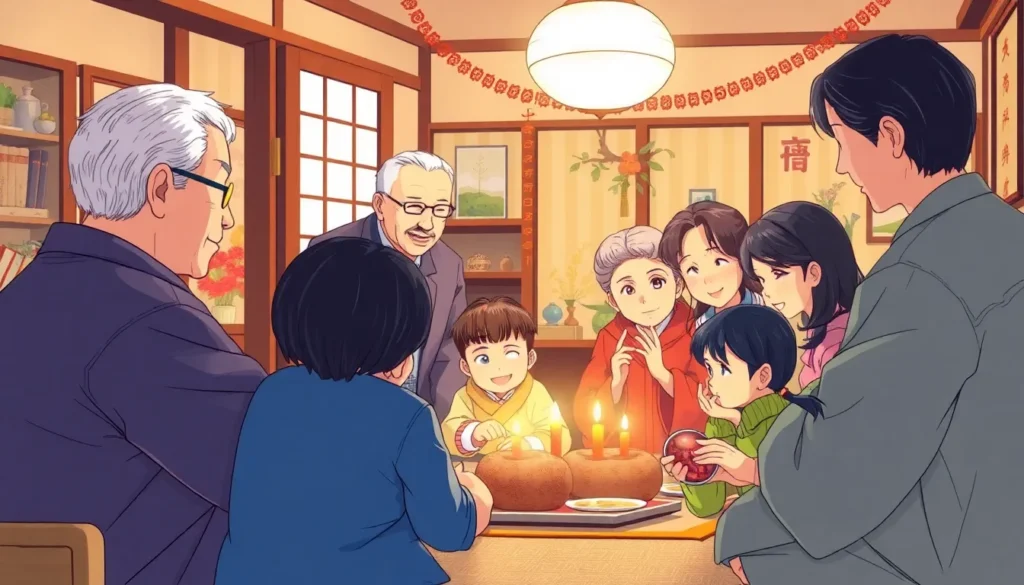
Family occupies a central role in Japanese culture, fostering strong connections through shared traditions and values. These bonds manifest in various ways, emphasizing respect and unity.
Intergenerational Bonds
Intergenerational relationships significantly shape family dynamics in Japan. Families prioritize spending time together, enhancing understanding across generations. Grandparents often share stories and wisdom, bridging gaps between young and old. Celebrations like New Year’s encourage family members to gather, reinforcing these strong ties. Children learn valuable life lessons from their elders through customs and shared experiences. Seasonal festivals serve as platforms for families to celebrate their heritage collectively.
Role of Elders
Elders hold a revered position within Japanese families. They embody collective memories and serve as custodians of tradition. Respect for elders is ingrained in Japanese culture, reflecting in daily interactions and family gatherings. Elders play a key role in decision-making processes, offering guidance to younger generations. Their experience enriches family bonds, ensuring cultural continuity. Special occasions often highlight their importance, with children performing rituals to honor their elders. Families frequently seek the counsel of elders, reinforcing their authority and wisdom in cultural practices.
Common Japanese Family Traditions
Japanese family traditions showcase deep-rooted customs that strengthen family bonds and enhance cultural identity. Families come together to celebrate various meaningful events throughout the year.
Celebrating Obon
Obon represents a significant ritual honoring deceased ancestors. Families gather during this time to visit gravesites, offer prayers, and light lanterns to guide ancestral spirits home. The festival features traditional dances known as Bon Odori, fostering a sense of community and remembrance among participants. Many families prepare special meals to share, highlighting the importance of togetherness and paying tribute through food. This occasion teaches younger generations the values of respect and appreciation for their heritage.
Family Gatherings and Meals
Family gatherings in Japan often center around shared meals that highlight seasonal ingredients. Special occasions, such as birthdays and New Year’s, prompt elaborate feasts featuring traditional dishes like sushi, soba, and mochi. Mealtime carries a sense of unity, as each family member participates in preparation and cooking. Elders usually share stories or cultural insights during these meals, reinforcing connections and passing down traditions. These gatherings serve as opportunities for family members to bond, express gratitude, and celebrate their shared heritage.
Unique Customs in Japanese Families
Japanese families observe distinctive customs that strengthen their bonds and celebrate their heritage. Each tradition serves to unify family members through shared experiences.
New Year Celebrations
New Year’s, or Shogatsu, features various rituals and meals that bring families together. Families prepare traditional foods like mochi and osechi, served in special boxes called jubako. During this time, it’s customary to visit shrines or temples, where families seek blessings for health and prosperity in the coming year. Elders often give children otoshidama, a monetary gift that allows youngsters to learn about savings and financial responsibility. Emphasizing togetherness, families often gather to celebrate with games and storytelling, reinforcing both connection and cultural values.
Wedding Traditions
Japanese wedding traditions showcase deep-rooted customs that highlight family importance. The Shinto wedding ceremony is particularly significant, often taking place at a shrine, symbolizing the union of two families. During the ceremony, couples partake in sake sharing, known as san-san-kudo, representing unity and mutual respect. Many weddings also include elements like traditional kimonos, which reflect cultural heritage. After the ceremony, a reception often features speeches from family members and friends, fostering a sense of community. Joyful gatherings at these events often include food, music, and traditional dances, celebrating not only the union of the couple but also the joining of their families.
Modern Influences on Japanese Family Traditions
Contemporary lifestyles impact Japanese family traditions significantly. Urbanization leads to changing family structures, with many families now consisting of nuclear units rather than extended clans. Technology plays a role in family interactions, facilitating communication through messaging apps and social media, allowing members to share updates and maintain connections even from a distance.
Globalization introduces diverse cultural influences that blend with time-honored practices. Western holidays, such as Christmas and Valentine’s Day, gain popularity, creating new ways for families to celebrate together. Contemporary Japanese food culture reflects this shift, merging traditional ingredients with international cuisine, as families often enjoy dishes like pasta or pizza during gatherings.
Work-life balance challenges also affect family connections. More dual-income households emerge, influencing the time families spend together. Limited time may lead to simplified rituals, where family members adapt age-old customs to fit their schedules.
Education influences how younger generations view traditional practices. Students learn about Japan’s rich heritage in schools but often retain newer global cultural trends. This combination sometimes leads to a preference for simplified or altered versions of traditional celebrations, such as Obon or New Year rituals.
Social shifts foster a dynamic environment for family traditions. Gender roles evolve, and additional emphasis is placed on equality within the household. Fathers become more involved in child-rearing, leading to shared experiences that reinforce family bonds.
Elderly family members contribute to adapting traditions through their perspectives. They may embrace modern elements while preserving core values, guiding the younger generation in reimagining customs like the tea ceremony. Thus, modern influences ensure Japanese family traditions remain relevant while honoring the past.
Japanese family traditions embody a unique blend of respect love and connection that enriches family life. These customs not only preserve cultural heritage but also adapt to modern influences ensuring their relevance in today’s society. As families navigate changing dynamics they continue to find joy in rituals that honor their past while embracing the future. The emphasis on intergenerational relationships fosters a deep sense of community and belonging. Through shared meals celebrations and the teaching of values these traditions create lasting memories and strengthen bonds. Ultimately Japanese family traditions serve as a reminder of the importance of unity and the enduring power of family connections.