
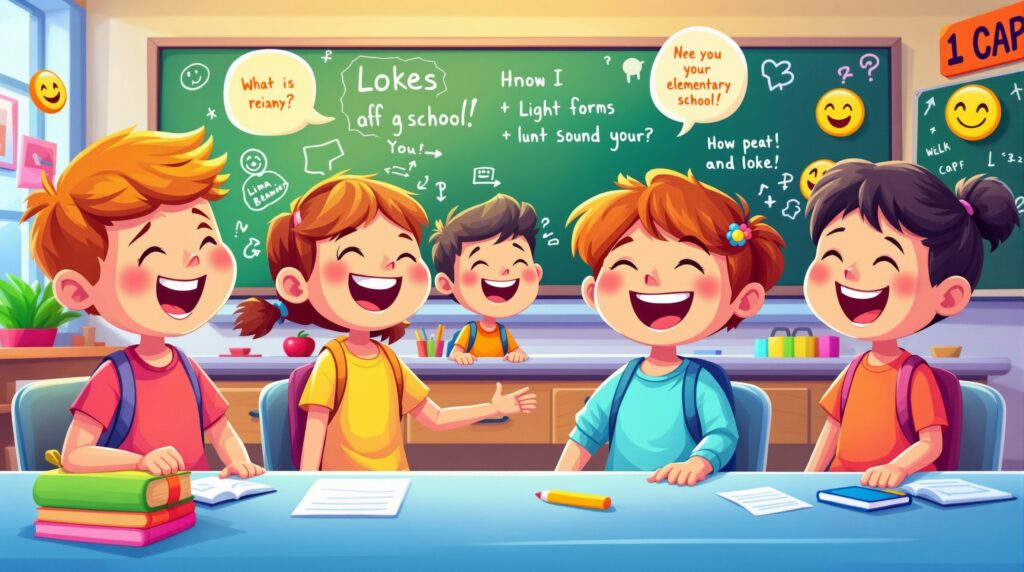
Laughter is the universal language that brings joy to every corner of the playground. For elementary school kids, jokes aren’t just funny; they’re a way to connect, share a giggle, and break the ice. Whether it’s a quick one-liner or a silly pun, a good joke can turn a dull moment into a burst of laughter that echoes through the classroom.
Table of Contents
ToggleUnderstanding Humor in Children
Humor plays a crucial role in elementary school settings. Jokes not only entertain but also enhance children’s social experiences and cognitive development.
The Importance of Jokes for Kids
Jokes bring joy to everyday activities. They spark laughter, making school an enjoyable environment. Positive emotions generated by humor contribute to improved learning outcomes. Kids who engage with jokes tend to develop better language and creative thinking skills. Additionally, jokes serve as an entry point for children to explore emotions, helping them express themselves effectively. Laughter generated from jokes strengthens bonds among peers, fostering a sense of belonging.
How Jokes Foster Social Skills
Jokes often require understanding context and social cues. When kids share jokes, they practice communication, listening, and timing. These social interactions promote teamwork and collaboration. Sharing laughter helps children form friendships, enhancing their ability to connect with others. Exposure to humor also encourages empathy and perspective-taking, as kids learn to appreciate different viewpoints. Developing these skills through jokes significantly contributes to their social development, making interactions more meaningful.
Types of Jokes for Elementary School Kids
Humor among elementary school kids encompasses various types of jokes that cater to their understanding and sensibilities. Exploring different joke formats encourages laughter and social interaction.
Knock-Knock Jokes
Knock-knock jokes provide a classic format that children enjoy. Their structure involves a call-and-response element, which makes them highly interactive. These jokes often feature simple wordplay that sparks giggles. For example:
- Knock, knock.
- Who’s there?
- Cow says.
- Cow says who?
- No silly, cow says moooo!
This playful banter fosters communication skills and maintains a light atmosphere, making them favorites among young audiences.
Riddles and One-Liners
Riddles and one-liners challenge children’s reasoning skills while delivering quick laughs. Riddles pose questions that require clever thinking, allowing kids to engage their problem-solving abilities. An example: “What has keys but can’t open locks? A piano.” Similarly, one-liners deliver punchy humor straightforwardly. They often rely on puns or amusing observations, such as “I told my computer I needed a break, and it froze.” Such humor not only entertains but also promotes cognitive development.
Clean Jokes for Kids
Clean jokes remain crucial in ensuring humor is appropriate for young audiences. These jokes avoid any potentially offensive content, focusing instead on relatable themes. Examples include: “What did the boy bring to the school dance? A friend!” Simple jokes like these help form bonds between peers and reinforce positive social interactions. Sharing clean jokes cultivates an inclusive environment where laughter thrives.
Tips for Sharing Jokes with Children
Sharing jokes with children creates laughter and strengthens connections. Knowing how to present jokes effectively enhances their impact.
The Right Context for Jokes
Context plays a crucial role in timing a joke. Ensure children understand the situation before delivering a punchline. School settings can provide opportunities for jokes in classrooms, during breaks, or at school events. Use jokes that relate to their experiences, like homework or lunchtime, making them feel relevant. Familiarity with the audience increases laughter and engagement. Recognizing children’s moods is also important; a light-hearted joke during playtime can uplift spirits. However, jokes may fall flat in serious situations, making comprehension key.
Encouraging Kids to Create Their Own Jokes
Encouraging children to craft their own jokes fosters creativity and confidence. Begin by providing examples, such as knock-knock jokes or simple puns. Giving them a theme, like animals or school, helps them brainstorm ideas. Applauding their efforts boosts self-esteem, making the process enjoyable. Organize friendly competitions where kids can share their creations, promoting collaboration and excitement. Collaborating with peers can inspire unique concepts. Writing jokes together as a group encourages social interaction while developing language skills. Creating personalized jokes deepens their connection to humor, making the experience memorable and fun.
Popular Jokes for Elementary School Kids
Jokes engage elementary school kids, promoting laughter and connection. Below are some popular categories that resonate with this age group.
Classic Jokes
Classic jokes remain timeless favorites among kids. They often include simple setups and punchlines that are easy to remember. For instance, “Why did the chicken cross the road? To get to the other side!” Kids love the humor in predictable outcomes. Another example is, “What do you call cheese that isn’t yours? Nacho cheese!” These jokes encourage children to share and repeat, creating a joyful atmosphere.
Seasonal and Holiday-Themed Jokes
Seasonal and holiday-themed jokes add excitement to festivities. Kids enjoy jokes that align with events like Halloween, Christmas, or Thanksgiving. For example, during Halloween, one might say, “Why did the ghost go to the party? Because he heard it was going to be a boo-tiful night!” During Christmas, kids might giggle at, “What do you get if you cross a snowman and a vampire? Frostbite!” Such jokes foster a festive spirit, making celebrations more memorable and fun for everyone.
Jokes are a powerful tool for elementary school kids that enrich their social experiences and cognitive growth. By integrating humor into daily interactions children not only enjoy laughter but also develop essential skills in communication and creativity. Sharing jokes creates bonds and fosters an inclusive environment where friendships thrive.
Encouraging kids to explore different types of jokes empowers them to express their emotions and understand social cues. Whether it’s a knock-knock joke or a clever riddle the joy of humor can transform any moment into a delightful experience.
As children engage with jokes they build confidence and learn the value of laughter in connecting with others. By embracing humor in the classroom and beyond parents and educators can create a vibrant atmosphere that supports both learning and friendship.