

Every parent knows that getting kids excited about reading can feel like trying to convince a cat to take a bath. But fear not! Preschool books are the magical keys to unlocking a world of imagination and learning. These little gems are packed with colorful illustrations, catchy rhymes, and stories that make even the most reluctant readers giggle and engage.
Importance Of Preschool Books
Preschool books play a vital role in early childhood education. These books cultivate a foundation for lifelong learning and literacy.
Cognitive Development
Preschool books significantly enhance cognitive development. Engaging stories stimulate critical thinking and problem-solving skills. Vibrant illustrations capture attention, making it easier for children to process information. Children learn to sequence events and recognize patterns through interactive narratives. Exposure to diverse themes broadens their understanding of the world, encouraging curiosity. Books introduce simple concepts like colors, shapes, and numbers. These foundational skills prepare children for more advanced learning in school.
Language Skills
Language skills benefit greatly from preschool books. Reading aloud develops vocabulary by introducing new words in context. Rhymes and rhythms make language fun and easier to remember. Interaction during reading encourages children to ask questions, fostering dialogue and comprehension. Exposure to storytelling techniques helps children understand narrative structures. As they encounter different characters and scenarios, they learn to express their thoughts and feelings effectively. Regular reading experiences instill confidence, paving the way for effective communication.
Types Of Preschool Books
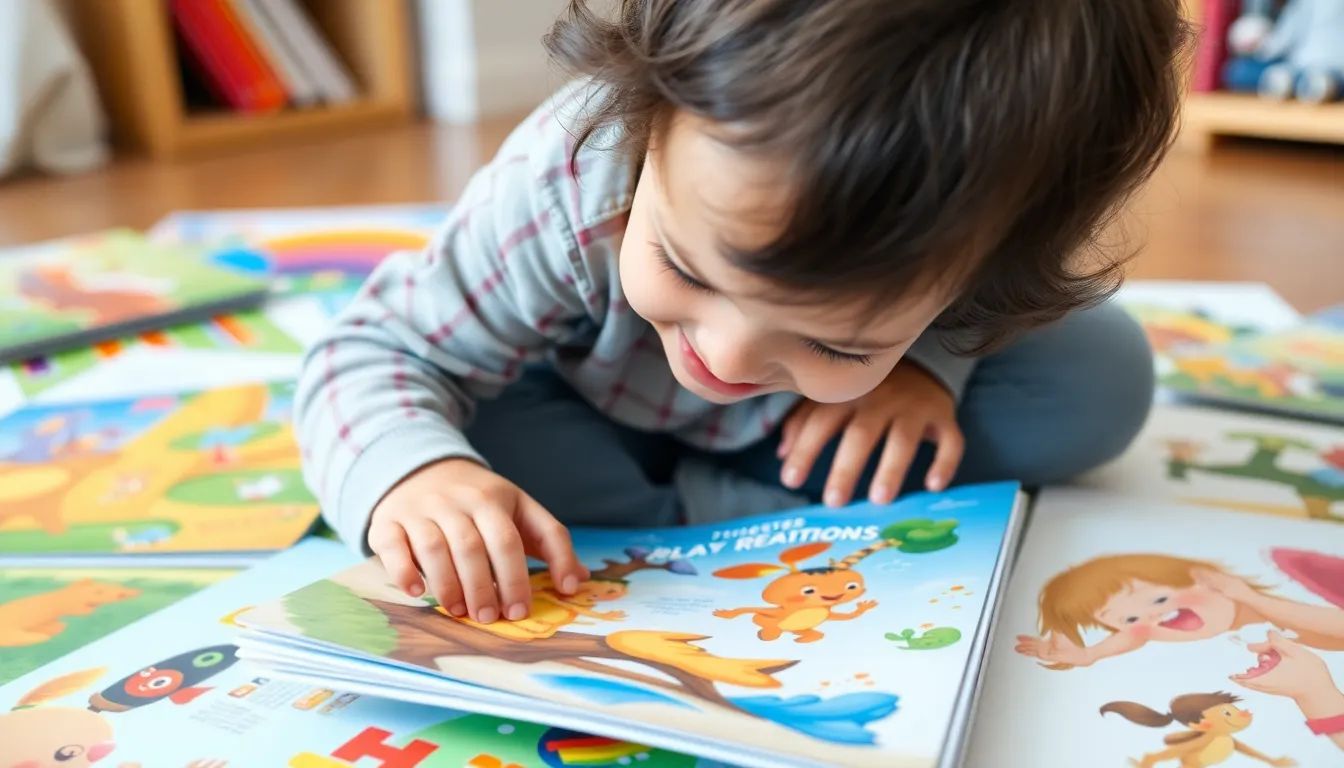
Preschool books come in various forms, each designed to engage young readers in unique ways. Understanding these types helps parents choose the best options for their children.
Picture Books
Picture books rely on visually captivating illustrations to complement engaging narratives. They often introduce fundamental concepts like colors and animals, allowing children to learn through visual stimulation. Many picture books feature relatable characters and simple plots that encourage children to explore emotions and relationships. Authors and illustrators use vibrant imagery and rhythmic language to capture attention, making the reading experience enjoyable. Titles such as “Brown Bear, Brown Bear, What Do You See?” exemplify this format, providing a fun way to learn and interact with stories.
Interactive Books
Interactive books invite preschoolers to participate actively in the reading process. These books might include lift-the-flap elements, textures to touch, or sound buttons to press. Engaging children in this manner enhances their comprehension and retention. They allow kids to connect physically with the story as they explore its pages. Popular examples include “Dear Zoo,” which incorporates flaps and surprise elements that keep young readers eager to flip the next page. Such experiences foster curiosity and create a joyful atmosphere around reading in early childhood.
Criteria For Selecting Preschool Books
Selecting the right preschool books requires careful consideration of various factors. Two critical aspects include age appropriateness and themes and topics.
Age Appropriateness
Books should match the developmental stages of preschoolers, typically ages three to five years. Age-appropriate books often feature simple, straightforward narratives that captivate young readers. Vocabulary relates directly to what preschoolers already know, ensuring comprehension and enjoyment. Illustrations should be vibrant and engaging to maintain attention, while the overall complexity of the text remains suitable for their reading level. Selecting books that align with a child’s age leads to better understanding, sparking curiosity about reading.
Themes And Topics
Themes should resonate with preschoolers’ everyday experiences and interests. Books about family, friendship, and adventure often engage children effectively. Content exploring emotions helps them understand their feelings and those of others. Topics like nature and animals foster curiosity about the world around them. Stories that celebrate diversity and inclusion encourage empathy and respect for differences. Choosing themes that connect with their lives promotes a positive reading experience and deepens their connection to books.
Benefits Of Reading Preschool Books
Reading preschool books offers significant advantages for young children, enriching their developmental journey in several ways.
Fostering Imagination
Engaging with preschool books stimulates children’s creativity. These books introduce various settings, characters, and scenarios, allowing children to explore diverse worlds through storytelling. Vibrant illustrations capture attention while sparking imaginative play. Children begin to visualize different outcomes and scenarios, which enhances cognitive flexibility. Additionally, stories encourage them to dream and invent, laying the groundwork for critical thinking. With repeated readings, children express their interpretations, showcasing their imaginative ideas.
Enhancing Parent-Child Bonding
Reading together strengthens the connection between parent and child. Shared storytelling creates a cozy atmosphere, allowing for intimate moments of closeness. Parents who read aloud model language and expression, fostering communication skills. Interaction during reading encourages discussions about themes and characters, deepening understanding and empathy. This shared experience offers a platform for parents to discover their child’s preferences and encourage emotional expression. Engaging in this activity builds trust, promoting a lasting bond that supports emotional development.
Popular Preschool Book Recommendations
Preschool books capture young imaginations, offering a colorful array of engaging stories. The following recommendations highlight classic titles and contemporary favorites for preschoolers.
Classic Titles
Classic preschool books, known for their timeless charm, include “The Very Hungry Caterpillar” by Eric Carle and “Goodnight Moon” by Margaret Wise Brown. These stories incorporate simple yet captivating plots that resonate with children. “Where the Wild Things Are” by Maurice Sendak invites readers to explore their emotions through adventurous narratives. Engaging illustrations accompany these classic stories, making them appealing for repeated readings. Familiar characters and relatable themes create connections, allowing preschoolers to relate their experiences to the lively tales.
Contemporary Favorites
Contemporary preschool books, such as “The Pigeon Books” by Mo Willems and “Dragons Love Tacos” by Adam Rubin, captivate the imagination of young readers. These titles offer humor and relatable scenarios that inspire laughter and engagement. “The Day the Crayons Quit” by Drew Daywalt explores creativity and individuality, encouraging children to express themselves. Vibrant illustrations and playful text create a lively reading experience, making these favorites popular among parents and educators alike. Modern themes and diverse characters help preschoolers navigate their emotions and understand friendships through engaging narratives.
Preschool books play a crucial role in nurturing a love for reading in young children. Their vibrant illustrations and engaging stories capture the imagination and make learning enjoyable. By selecting age-appropriate titles with relatable themes, parents can create meaningful reading experiences that foster cognitive and emotional development.
These books not only enhance language skills but also strengthen the bond between parent and child through shared storytelling. As children explore diverse narratives, they cultivate empathy and curiosity about the world around them. The journey into reading begins with these foundational stories, setting the stage for a lifetime of learning and exploration. Embracing preschool books is a step toward enriching children’s lives and igniting their passion for reading.