

Every parent knows that the journey through childhood is filled with milestones, from first steps to first words. But perhaps one of the most pivotal moments is when kids embark on their elementary school adventure. It’s that magical time when tiny humans transition from playdates to reading, writing, and a whole lot of math they’ll probably forget by high school.
Understanding Elementary School Start Age
Elementary school marks a pivotal transition in a child’s development. Determining the appropriate start age helps ensure children are ready for academic challenges.
Typical Age Range for Enrollment
Children typically enroll in elementary school between ages 5 and 7. Most states require children to turn 5 by a specific date, often aligning with the school year. For instance, some states set September 1 as the cutoff date, while others extend it to December 31. Parents may consult local guidelines to confirm enrollment timelines. Starting school too early or late can significantly affect academic and social skills, impacting their overall experience.
State Variations in Age Requirements
State variations in age requirements significantly influence when children begin elementary school. In many states, the cutoff date for enrollment falls between August and December. Certain regions offer flexibility, allowing a choice for parents to enroll their children in transitional programs. Diverse rules exist concerning early entry assessments and retention policies, contributing to a varied educational landscape. Parents should research their specific state’s regulations to understand implications for their child’s education.
Factors Influencing Start Age
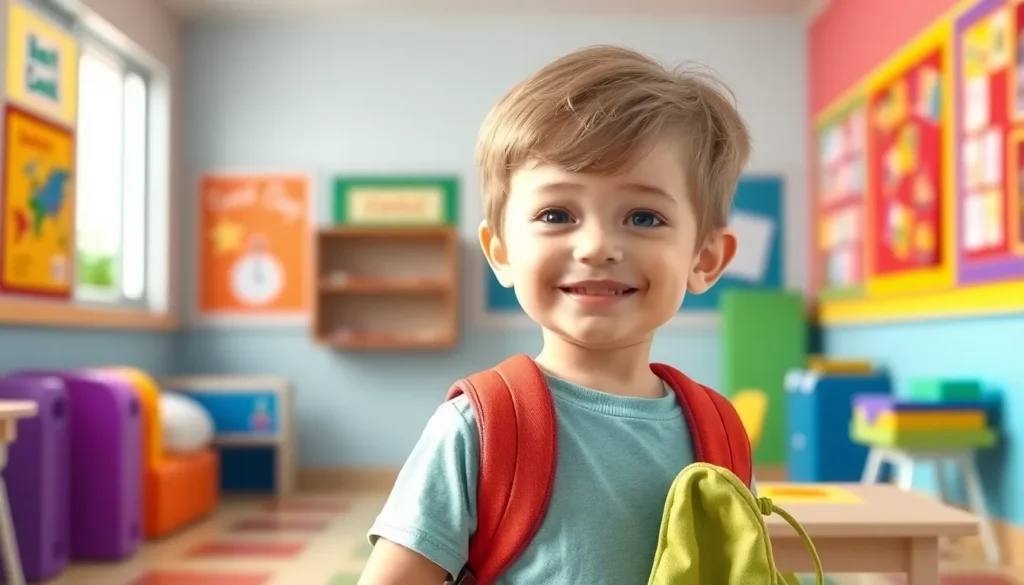
Several factors influence the age at which children start elementary school. These factors include birth month considerations and individual readiness levels.
Birth Month Considerations
Birth month plays a critical role in determining school start age. Children born in the same calendar year may enter school at different times depending on state cutoff dates. Some states require children to turn five by a specific date, while others allow for earlier or later enrollment. Kids born in late summer or early fall often start school younger, potentially influencing their readiness. Conversely, children born in the spring may benefit from an additional year of development before starting school.
Readiness and Developmental Milestones
Readiness varies based on individual developmental milestones. Emotional, social, and cognitive skills are essential for a successful transition to school. Parents should consider factors like language development, ability to follow instructions, and social interactions when evaluating readiness. Observing a child’s play behavior also offers insights into their preparedness for structured learning environments. Schools often provide guidelines on readiness benchmarks, helping parents make informed decisions tailored to their child’s needs.
Benefits of Starting Early vs. Late
Starting elementary school at the right age presents various benefits. An early or late start can significantly impact a child’s development, including social skills and academic success.
Social Development
Early starters often gain ample opportunities to socialize with peers. These interactions can bolster communication skills and confidence in group settings. Children starting school late may enter with a maturity advantage, which can enhance their social acumen in navigating relationships. They might also demonstrate better emotional regulation, making it easier to adapt to structured environments. Each child’s unique personality should guide this decision. Parents can benefit from observing how their child interacts with others to assess readiness.
Academic Preparedness
Children starting school earlier frequently engage in academic activities sooner. This early initiation can foster a solid foundation in literacy and numeracy. On the contrary, late starters might showcase more advanced attention spans and improved cognitive skills. They often approach learning with greater focus and resilience. Effective academic success hinges on matching the child’s developmental stage to the educational environment. Therefore, parents must consider their child’s learning style and readiness levels when deciding the appropriate start age.
Transitioning to Elementary School
Transitioning to elementary school presents both challenges and opportunities for children. This change can significantly impact their development and readiness for future academic experiences.
Preparing Kids for the Big Change
Preparing kids for elementary school involves nurturing their emotional, social, and academic readiness. Familiarity with routines can ease the transition, making mornings less stressful. Parents can introduce structured activities that mimic school settings, which helps children adapt to new environments. Engaging in discussions about what to expect fosters excitement and reduces anxiety. Reading stories about starting school can pique interest and encourage a positive mindset.
The Role of Parents and Guardians
Parents and guardians play a vital role in ensuring a smooth transition to elementary school. They must monitor their child’s developmental milestones, assessing emotional and social skills. Open communication at home encourages children to express their feelings about starting school. Parents should participate in school orientation programs, which provide resources and support. Establishing connections with teachers early on helps reassure children and create a sense of belonging. Building routines around schoolwork, such as setting aside time for reading, enhances readiness.
Starting elementary school is a significant milestone in a child’s life. It lays the foundation for future academic success and social development. Parents play a crucial role in determining the right timing for their child’s entry into school. By considering individual readiness and state guidelines, they can make informed decisions that align with their child’s unique needs.
The transition to elementary school can be both exciting and challenging. Preparing children emotionally and socially can ease their adjustment to a structured learning environment. Engaging in discussions about school and introducing routines can foster a positive outlook. Ultimately, ensuring a smooth transition sets the stage for a successful educational journey.